NEWS
UnPlastic Your Groceries: Simple Swaps for a Lower-Plastic Cart
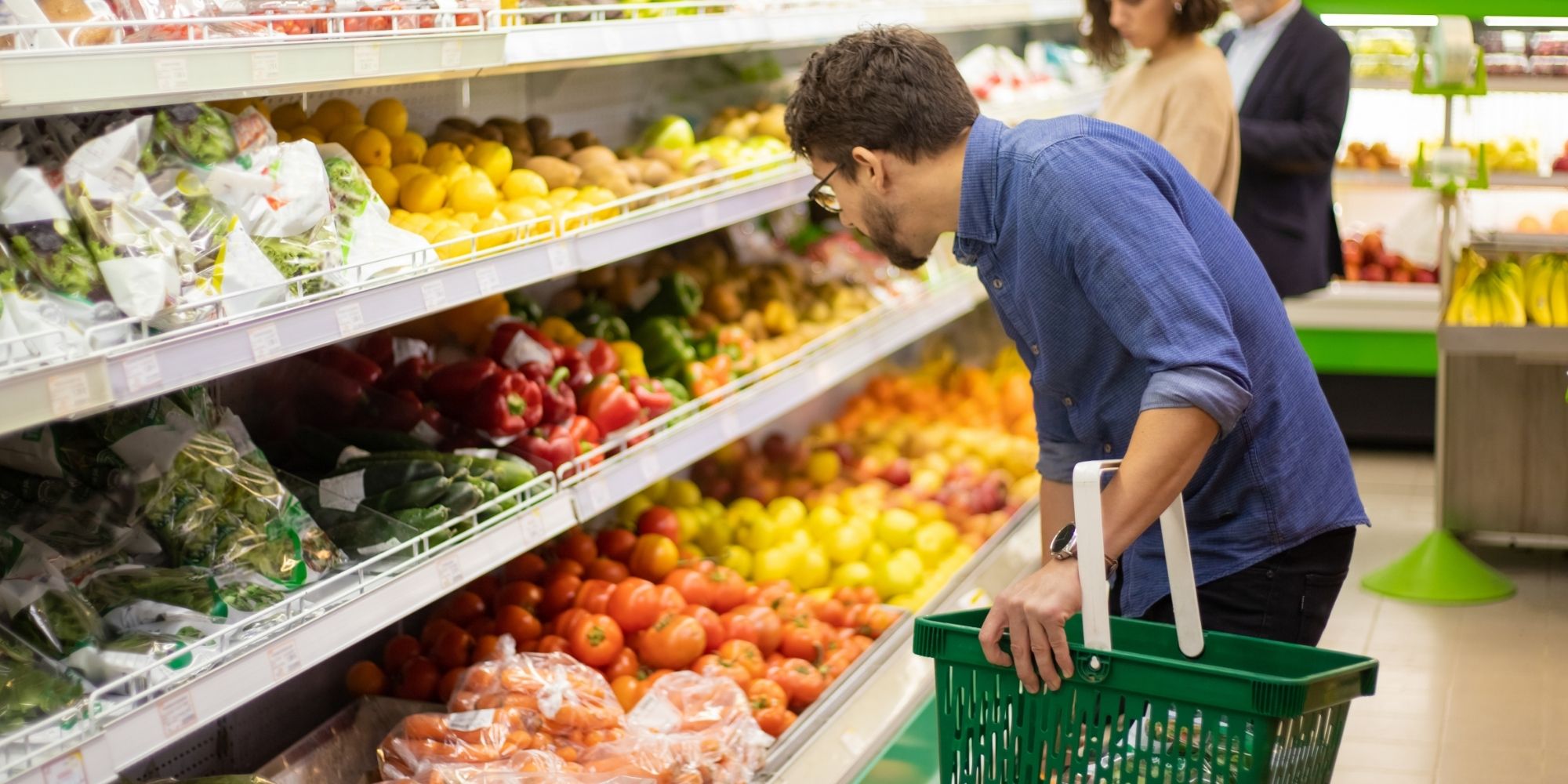
Every week, millions of grocery trips happen across the country, and a surprising amount of what comes home is wrapped in plastic that didn’t need to be there. A recent survey of 40 grocery stores across five U.S. cities found that the vast majority of common fruits and vegetables were sold in plastic packaging (e.g. clamshells, mesh bags, film) with only a small fraction sold plastic-free.
Unlike a lot of seasonal plastic spikes, this one isn’t once a year. It’s weekly, sometimes more, which means small choices here compound fast.
You don’t need to overhaul your entire shopping list overnight, though. By focusing on a few high-impact swaps in the aisles you already walk through, you can meaningfully cut down on single-use plastic while building habits that hold up trip after trip.
Before You Shop
A couple of habits, formed once, do most of the work before you even get to the store:
Pack your grocery go-bag. Keep a set of reusable grocery bags and produce bags somewhere you’ll actually grab them. Consider the trunk of the car, by the door, wherever gets them out with you. A reusable bag left at home doesn’t reduce anything.
Product Recommendations:
- Thrive Market Reusable Produce Bags (lightweight, machine-washable mesh bags that are 100% certified organic cotton)
- Lotus Original Reusable Produce Bags (set of 3 colorful, practical, and eco-friendly mesh bags in 3 different sizes)
Choose local when you can. Westport Farmers Market and other local sources often mean less packaging by default, meaning produce sold loose, from a table, instead of pre-bagged for shipping. It’s also one of the simplest ways to shrink the distance (and the packaging) between farm and fridge.
Aisle by Aisle: Where to Start
Produce
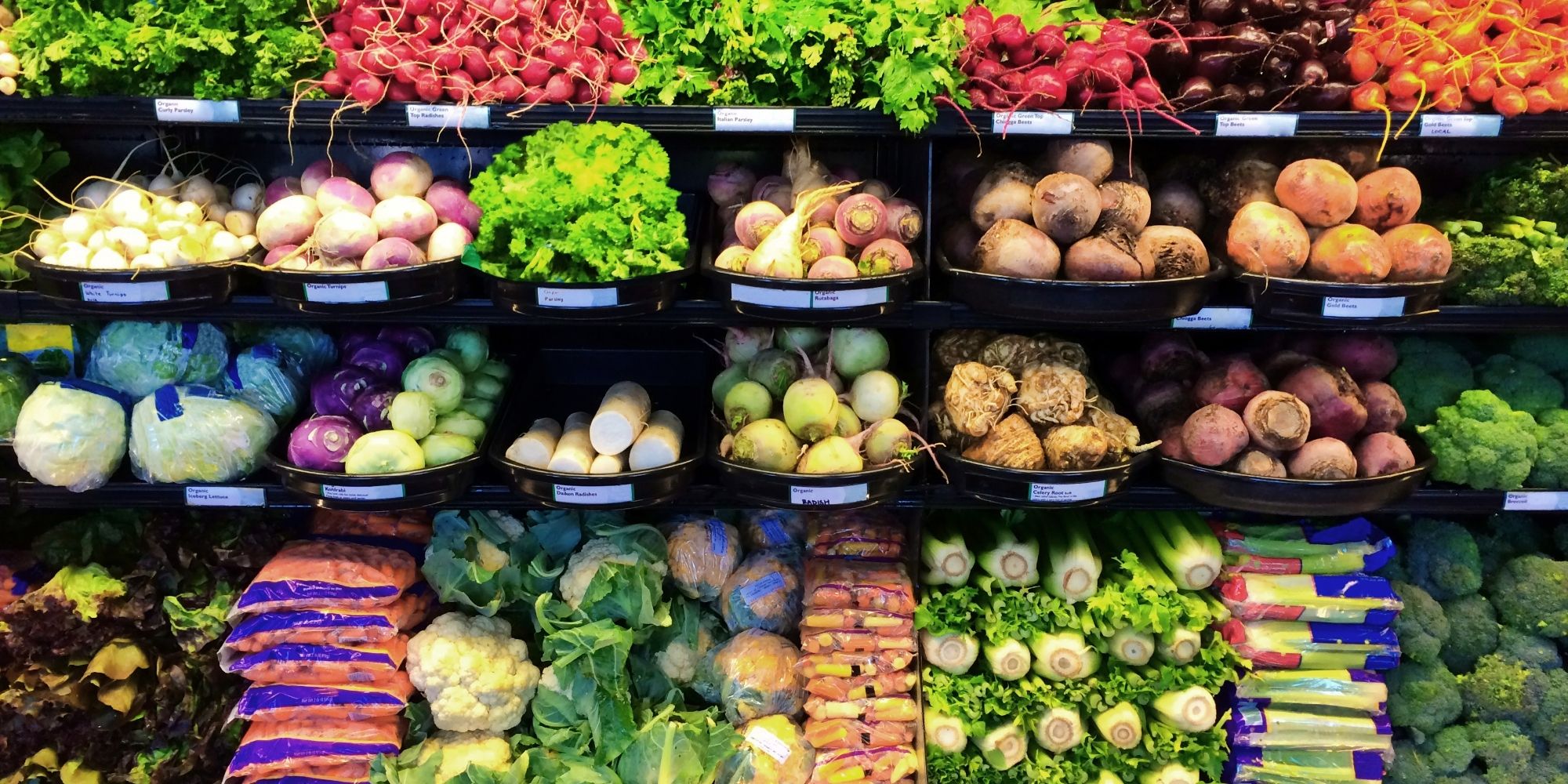
This is the easiest place to make an immediate dent because so much of the packaging here is optional. A cucumber wrapped in shrink film, peppers sealed in a three-pack, herbs in a plastic clamshell. Many of these have a loose equivalent sitting right next to them.
- Skip the produce bag when you can. A lot of produce, like apples, oranges, avocados, anything with a peel or rind, doesn’t need a bag at all. It’s washed or peeled before eating regardless, so a bag of any sort isn’t necessary.
- Choose loose over pre-packaged. When there’s a loose bin next to a plastic-wrapped multi-pack, the loose option is the lower-waste choice, and often the fresher one.
- BYO produce bags for the rest. For items that do need a bag, such as broccoli, peppers, apples, herbs, etc., bring your own reusable one instead of grabbing a plastic one from the roll.
Bulk & Spices
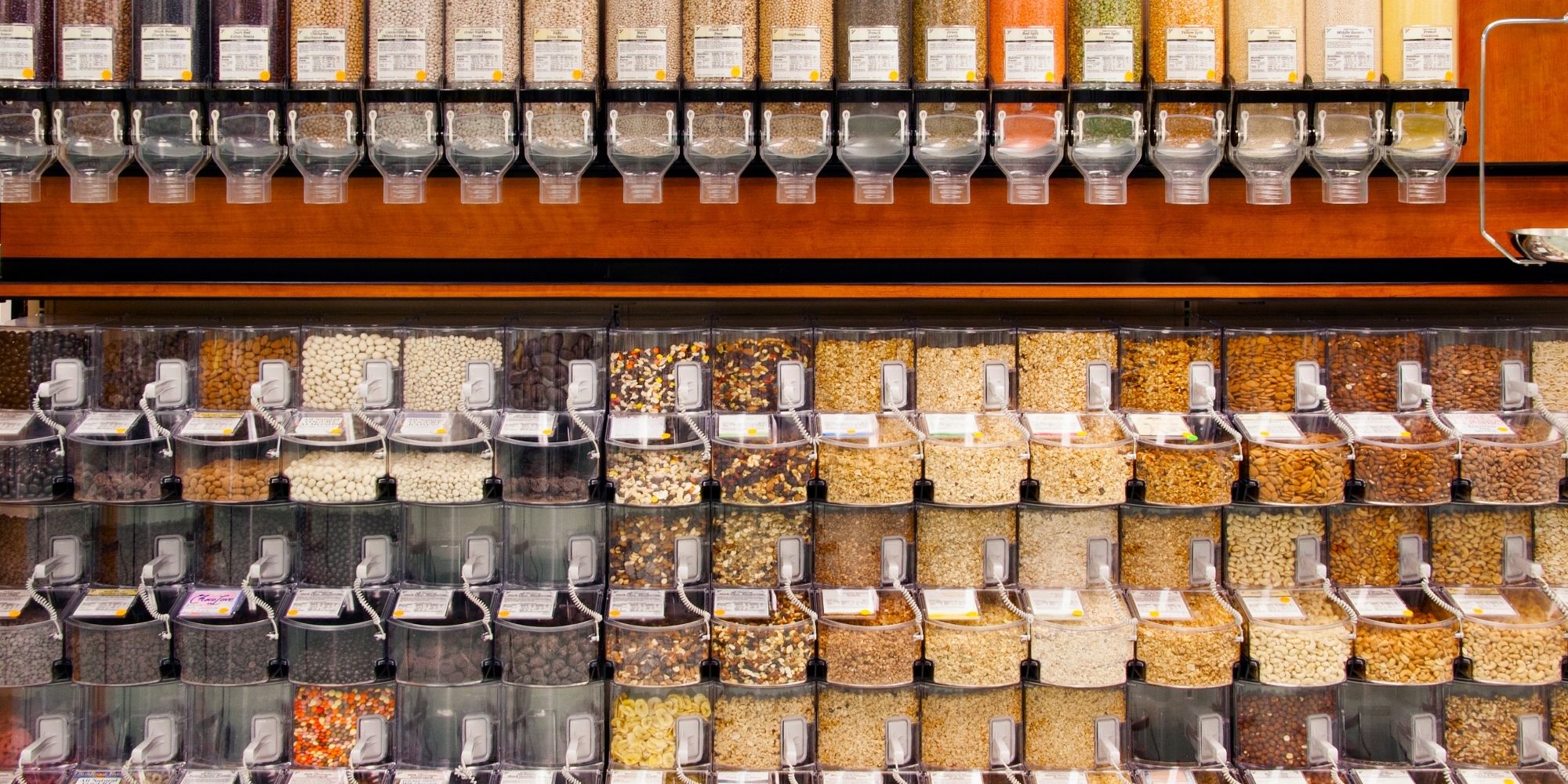
The bulk aisle is one of the most underused sections in most stores, and it’s especially worth it for anything you buy often in small quantities. Snack mixes, trail mix, nuts and coffee are all available at Fresh Market in bulk bins. The Westport Whole Foods offers grains & rice, beans & lentils, nuts & sweets, and various snacks and sweets in its bulk bin aisle. If you bring your own container, remember to weigh it first at customer service or use a scale to get the “tare” weight.
For items you buy on repeat that aren’t in the bulk bin aisle, like certain spices, try buying the largest size available at retailers like Costco instead of smaller packages. Then refill your own glass containers as needed. It’s an easy way to cut down on packaging waste and reduce our plastic footprint.
- Start with what you buy on repeat. You don’t need to convert your whole pantry at once. Pick two or three staples you use weekly, and start there.
- Bring your own containers if your store allows it. Many bulk sections let you weigh and fill your own jar directly, skipping packaging entirely.
- When neither bulk nor a larger size makes sense, choose glass. If a staple only comes in small, single packaging, opt for the glass version when it’s available. It’s usually a same-aisle swap, and the jar is reusable once empty.
Product Recommendations:
- Mason Jars (glass jars work well for wet or dry items and let you see what is inside)
- Cloth Bulk Bags (lightweight cotton or mesh bags are easy to carry, fold up small, and are ideal for dry goods like nuts, grains, and dried fruit)
- Plastic or Silicone Containers (durable, leak-proof plastic containers or silicone pouches survive drops)
Butcher & Seafood Counter
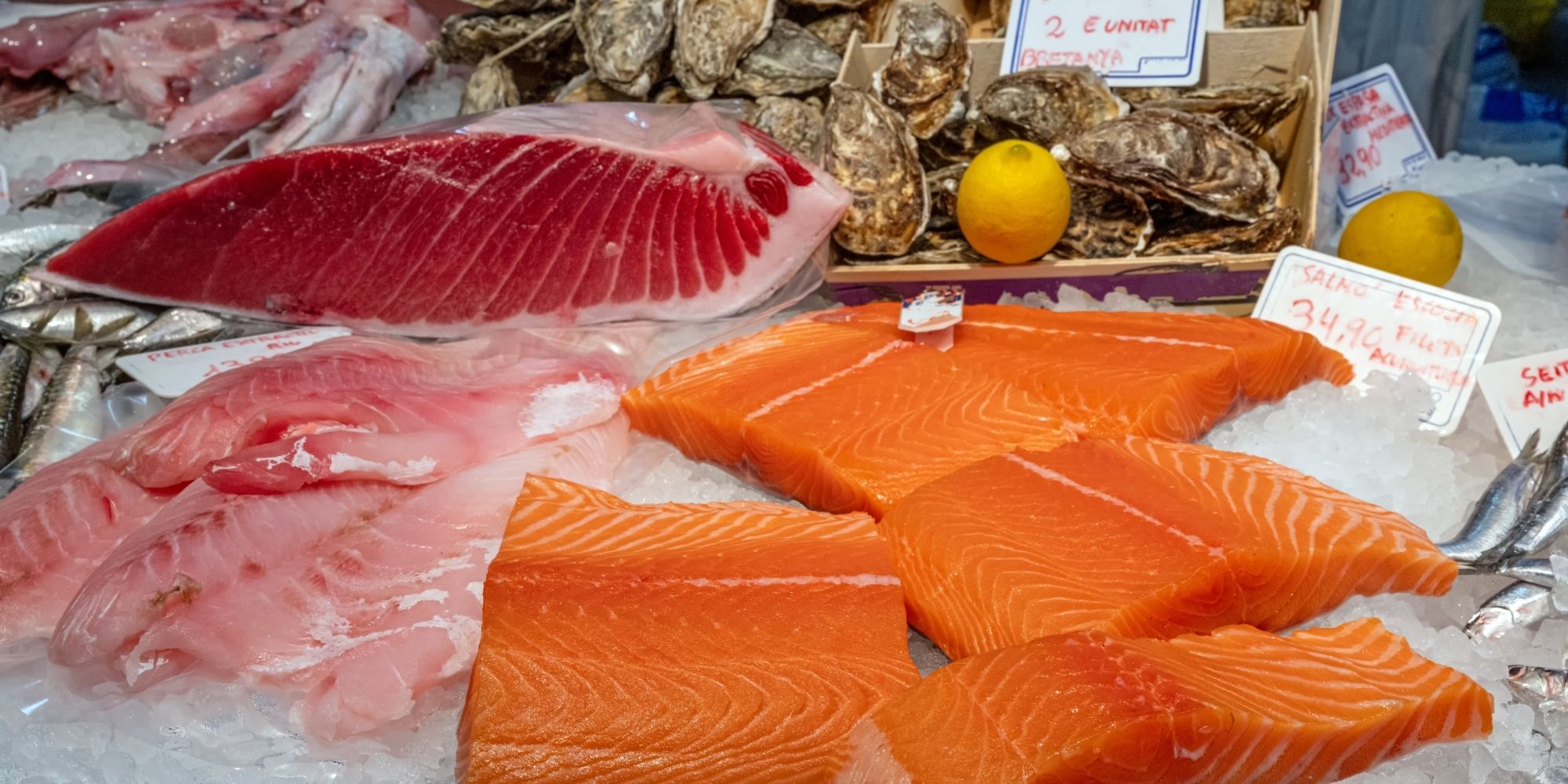
This is an easy one to overlook, but most butcher and seafood counters will wrap items in paper on request instead of the pre-packaged plastic tray. A fresh cut of salmon, for instance, doesn’t need to come sealed in plastic over styrofoam. Ask the counter to wrap it in paper instead.
- Ask before it’s pre-wrapped. If there’s a counter with staff, request paper instead of taking the pre-packaged option from the case.
- Bring your own container for deli items. Some counters will fill your own container for sliced meats or cheese. It’s worth asking, even if it’s not advertised.
Condiments & Pantry
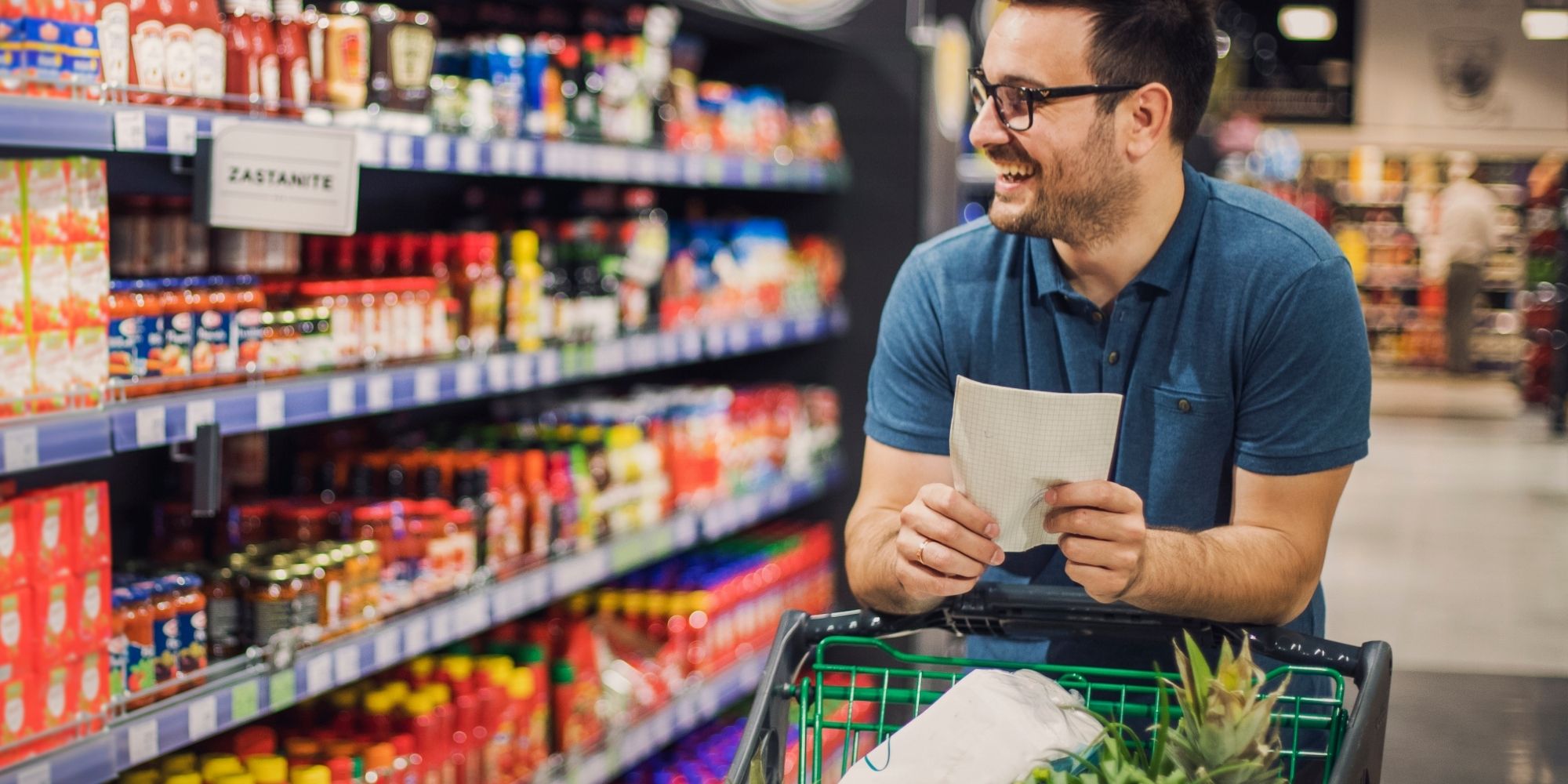
Most pantry staples, including ketchup, mustard, mayonnaise, and oils, exist in both plastic and glass versions at similar price points. Glass isn’t just non-plastic; it’s infinitely recyclable and doesn’t carry the same concerns around microplastic shedding into food over time.
- Choose glass when the option exists. It’s often a same-aisle, same-price swap without any research required, just a different jar on the same shelf.
- Reuse the jars after. Glass condiment jars double easily as bulk-bin containers or leftover storage once they’re empty.
It Starts with Noticing
You don’t have to fix your entire cart in one trip. Next time you’re at the store, pick one aisle and pause before grabbing the plastic-wrapped option. Is there a loose, paper-wrapped, or glass version nearby?
Every swap is small on its own. But multiplied across a cart, a neighborhood, and a town, it’s a real signal to local stores about what Westporters actually want to buy. And over time, that shapes what ends up on the shelf in the first place.
Join the UnPlastic Community
We’d love to hear how it goes! Do you have a favorite low-plastic swap that’s stuck for you? A bulk bin staple, a butcher counter trick, a jar you’ve refilled a dozen times over?
Share your setup on Instagram using #UnPlasticWestport to inspire fellow community members.
Note: The product recommendations provided in this guide reflect independent research and eco-friendly standards. They are non-sponsored and uncompensated suggestions intended to support sustainable living choices.