NEWS
UnPlastic Your Backyard: Hosting and Harvesting Without the Waste

June is finally here, which means our social calendars and our garden beds are officially kicking into high gear. While we’re all looking forward to long afternoons outdoors, summer entertaining and garden prep tend to bring an unwelcome guest to Westport: an absolute mountain of single-use plastic waste.
From the patio to the tomato patch, we’re auditing the typical backyard setup and looking at how easily we can trade out cheap disposables for smarter, healthier alternatives that look better and last longer.
The Refreshment Upgrade: Cans, Hydration Stations, and Better Bites
Think about a standard backyard barbecue. A single guest might use one plate, but they can easily go through four or five plastic cups or water bottles over the course of an afternoon. Red party cups are made of polystyrene – a brittle, unrecyclable plastic that easily breaks down into toxic microplastics.
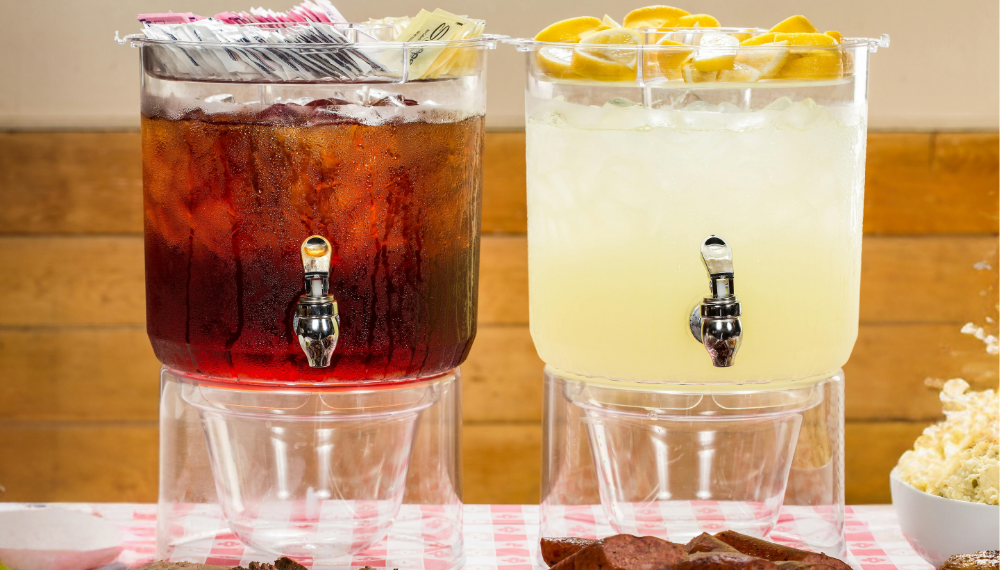
To lighten the load on your trash bins, ditch the single-use plastic entirely for infinitely recyclable alternatives.
- The Setup: Invest in a large, glass beverage dispenser filled with iced water or lemonade, and provide non-plastic reusable cups like aluminum or stainless steel or invite your guests to bring their favorite reusable bottles.
- The Smart Move: If single-use is just more convenient, opt for aluminum cans and boxed beverages. Aluminum is a recycling superhero; a can tossed into your bin today can be back on a store shelf in just two months.
- The Perks: You save money on bulk drinks, and you won’t have to haul heavy, leaking trash bags to the bin at the end of the night.
- The Little Details: While upgrading your drinks, don’t forget the food table. Flimsy plastic toothpicks and fruit skewers are too small to ever be recycled and easily blow away. Swap them for reusable stainless steel or biodegradable bamboo skewers. Same goes for utensils and plates – opting for reusable plates and utensils made from bamboo, wheat straw, or stainless steel.
The Garden Bed Upgrade: Natural Supports
Plastic zip ties, stretch tape, and plastic-coated stakes are incredibly common for securing heavy tomato plants and climbing vines. However, as they sit under the hot summer sun, these plastics bake, crack, and shed microscopic plastic pieces directly into the soil where you grow your food.
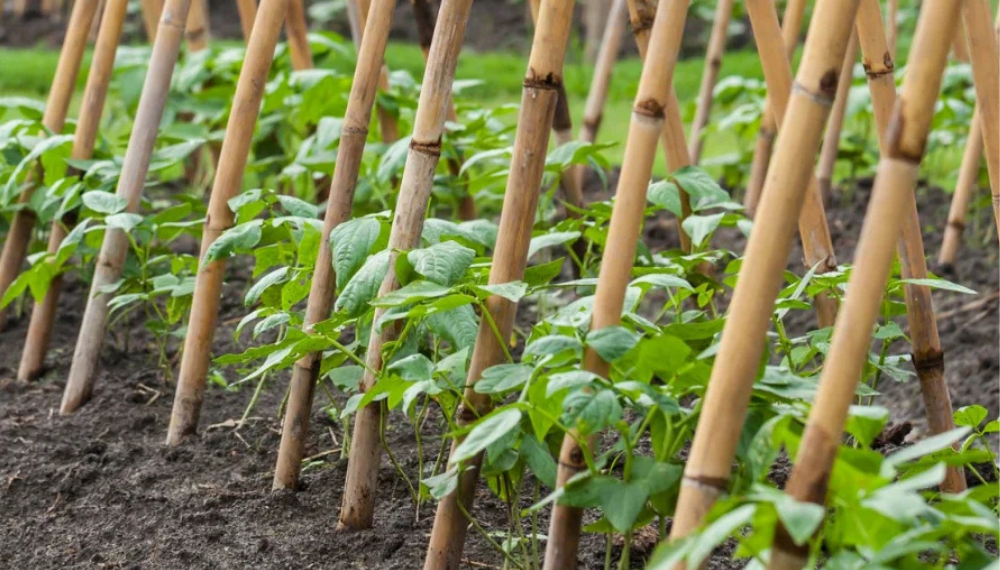
- The Smart Move: Swap out plastic ties for natural jute or hemp twine. At the end of the season, you can cut the vines down and throw everything straight into your compost pile.
- The Setup: Replace plastic-coated metal stakes with beautiful, natural bamboo poles or cedar stakes, and trade brittle plastic plant labels for weather-resistant wood or metal markers.
The Nursery Pot Round-Up
If your garage or the space behind your shed is starting to look like a plastic graveyard, you aren’t alone. Every spring, gardeners accumulate dozens of plastic nursery pots. Because of their weight and volume, letting these head to a landfill is a massive environmental burden. Fortunately, we have great local options to close the loop.
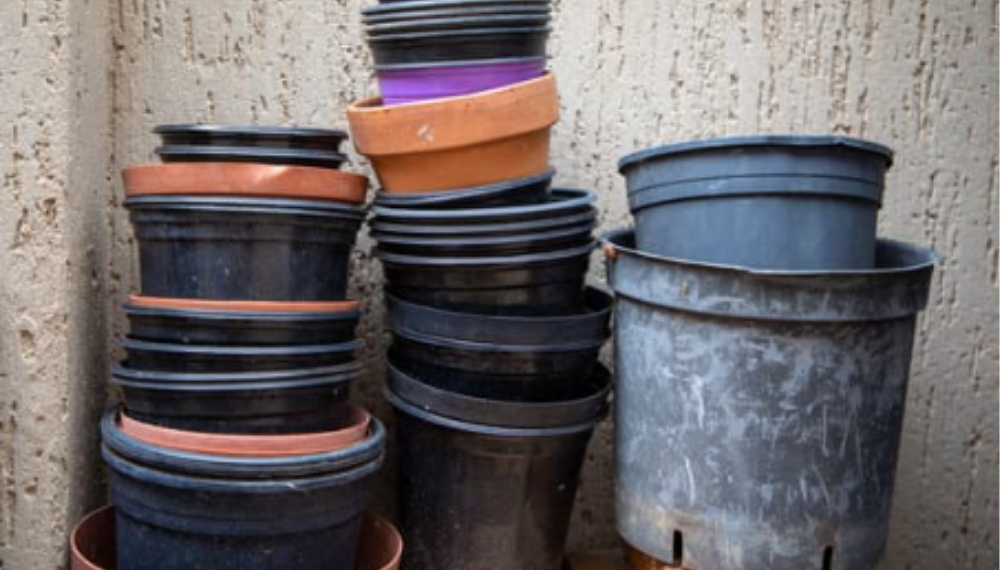
- Big Box Recycling: The Home Depot and Lowe’s locations in Norwalk and Fairfield run seasonal collection programs with dedicated carts where you can drop off empty plastic pots and trays.
- Local Nursery Returns: If you bought your perennials or annuals from local favorites like Gilberties or Izzo’s, give them a call before your next supply run – many are happy to take their pots back for next year’s supply.
One Swap at a Time
You don’t need a perfectly zero-plastic lifestyle to protect our local environment or your family’s health. Every piece of plastic we keep out of our backyards this month is one less piece of litter blowing onto Compo Beach or being burned at our local waste-to-energy incinerator.
Ready to make a change? If you’re willing to commit to just one plastic-free upgrade for your home or garden this month, click here to sign the UnPlastic Pledge and join a community making a tangible difference right in our own neighborhoods.
As a reminder, we do not consider ourselves experts. The products and practices shared here reflect personal experience and research, and are not sponsored or compensated recommendations. We are committed to making the switch one product at a time — reducing single-use plastic in our homes, our oceans, and our landfills. Even one swap can have an outsized impact for your family and for the planet.