NEWS
UnPlastic Your Back-to-School Prep: Simple Swaps for a Healthier, Sustainable School Year
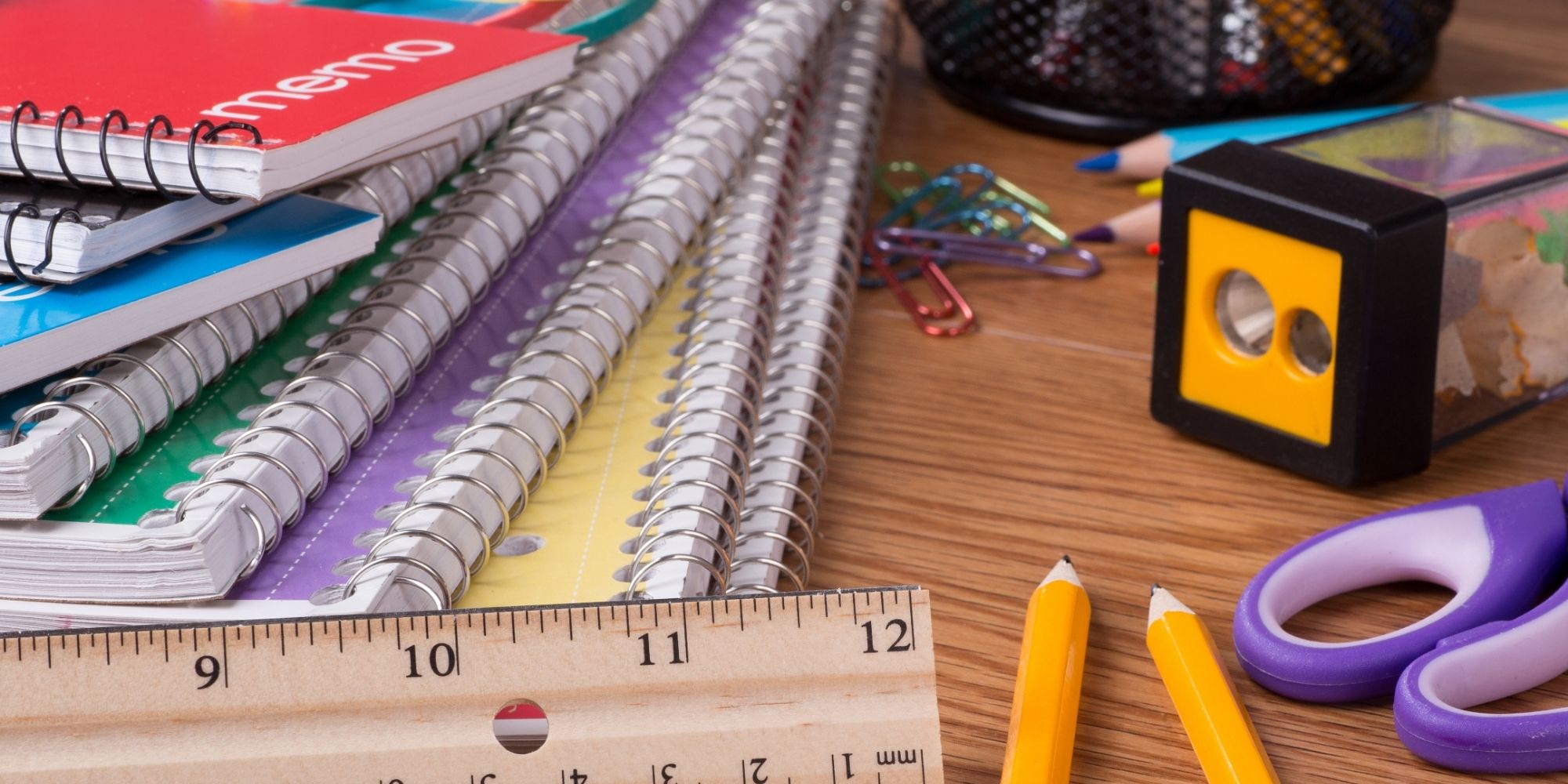
Every fall, millions of households stock up on classroom supplies, packed lunch necessities, and buy new gear. While getting organized for a new school year is exciting, it also marks one of the single largest plastic consumption surges of the year. From synthetic backpacks and vinyl binders to endless single-use snack bags, plastic has shown up across our education materials.
Making a shift toward a plastic-free school routine is about reducing waste in landfills and also reducing your family’s daily exposure to microplastics and synthetic chemicals like phthalates and BPA, which are common in cheap plastics and food packaging.
The good news? You don’t need to overhaul everything overnight. By focusing on practical, high-impact swaps in key daily routines, you can dramatically cut down on single-use plastics while setting up durable habits that last all year long.
Mindful Pre-Shopping Strategies
Before heading down the supply aisles or ordering online, a few smart habits can prevent unnecessary plastic from ever entering your home:
- Evaluate Existing Supplies First: Last year’s backpack, half-filled notebooks, sturdy ruler, and working pens don’t need replacing simply because a new term is starting. Reusing what you already have is the most sustainable choice of all.
- Shop with a Focused List: Stick strictly to required items rather than buying multi-packs on impulse. Mass-market sales often package items in heavy plastic wrap and include extra items that ultimately go unused.
Back-to-School UnPlastic Zones
To make the transition manageable, consider organizing your eco-friendly choices into two primary daily zones: food preparation and study supplies.
Zone 1: Lunch & Snack Prep
School lunches and snacks are a major daily source of single-use plastic waste. Swapping disposable items for durable alternatives protects the environment and keeps food free from plastic contact.
- Swap Single-Use Bags for Reusable Storage: Disposable zip-top bags add up quickly over a school year. Reusable silicone bags and moldable food wraps offer a clean, washable solution for sandwiches and dry snacks.
- Product Recommendations:
- Stasher Reusable Silicone Bags (durable, dishwasher-safe, and leak-proof for snacks and sandwiches).
- Bee’s Wrap Reusable Plant-Based Wraps (a natural, malleable alternative to plastic wrap for sandwiches and cheese).
- Cleanomic Compostable Zip Gallon Bags (food-grade, bags are the perfect size for storing leftovers, packing snacks, and keeping food crisp in the freezer).
- Product Recommendations:
- Switch to Refillable Drink Containers: Ditch single-use juice pouches and plastic water bottles in favor of insulated stainless steel bottles that keep drinks cold all day without chemical leaching.
- Product Recommendations:
- Klean Kanteen Stainless Steel Water Bottles (durable, chip-resistant, and built for daily school use).
- Hydro Flask Kids Wide Mouth Bottles (insulated steel options featuring easy-sip straw lids).
- Product Recommendations:
- Pack Durable Utensils: Avoid single-use plastic forks and spoons that end up in the trash after a single meal.
- Product Recommendations:
- To-Go Ware Bamboo Utensil Sets (lightweight, heat-resistant bamboo cutlery with a compact travel pouch).
- Product Recommendations:
- Buy Snacks in Bulk: Instead of purchasing individually wrapped snack packs wrapped in multiple layers of plastic, buy family-sized quantities and divide them into small, reusable to-go containers.
- Opt for Plastic-Free Food Containers: To keep your food fresh and protected until lunch time without the harmful plastics, look for these options.
- Product Recommendations:
- LunchBots Uno Stainless Steel Containers (plastic-free, food-grade stainless steel containers ideal for fruit, crackers, and nuts).
- Black+Blum Stainless Steel Bento Boxes (plastic-free products that are leak-proof and made to last).
- Black+Blum Original Lunch Box (100% leak-proof with a stainless steel fork and an inner compartment and leak-proof sauce pot).
- S’well Mountain Sage Salad Bowl Kit (plastic-free with separate compartments for salad toppings and dressing).
- Product Recommendations:
Zone 2: Sustainable Classroom Supplies
Standard supply lists often lean toward plastic-coated paper, vinyl binders, and short-lived synthetic materials. Choosing paper-based and repairable gear provides long-term utility without generating lasting plastic pollution.
- Opt for Paper and Cardboard Notebooks & Folders: Plastic folders and vinyl-covered binders crack over time and cannot be recycled in standard municipal programs. Heavy-duty paper, pressboard, or post-consumer recycled paperboard options perform reliably and biodegrade naturally at the end of their lifespan.
- Product Recommendations:
- Earth Hero Notebooks (lines notebooks made in the USA from 100% post-consumer recycled paper that is recyclable at the end of its life)
- Five Star Paper Folders (made from paper and available in assorted colors)
- Product Recommendations:
- Invest in Timeless, High-Durability Bags: Avoid trend-focused backpacks and lunchboxes made from cheap synthetic fabrics that degrade in a single season. Look for classic designs backed by strong warranties or constructed from recycled materials.
- Product Recommendations:
- LL Bean Original Bookpack (renowned for multi-year durability and sturdy construction).
- JanSport Backpacks (offers a lifetime warranty for their backpacks and gear in the US).
- Product Recommendations:
Every swap is small on its own, but multiplied across a classroom, a school, or a town, it’s a meaningful dent in how much new plastic enters circulation each fall.
Join the UnPlastic Community
We’d love to learn about your family’s favorite sustainable school habits! Do you have a favorite plastic-free supply or lunch swap that stood the test of time?
Share your setup and ideas on Instagram using #UnPlasticWestport to inspire fellow community members!
Note: The product recommendations provided in this guide reflect independent research and eco-friendly standards. They are non-sponsored and uncompensated suggestions intended to support sustainable living choices.