Container, 1 column
1 column
1/2 column
1/2 column
1/3 column
1/3 column
1/3 column
1/3 column
2/3 column
1/4 column
1/4 column
1/4 column
1/4 column
1/4 column
3/4 column
1/5 column
1/5 column
1/5 column
1/5 column
1/5 column
1/5 column
4/5 column
1/6 column
1/6 column
1/6 column
1/6 column
1/6 column
1/6 column
1/6 column
5/6 column
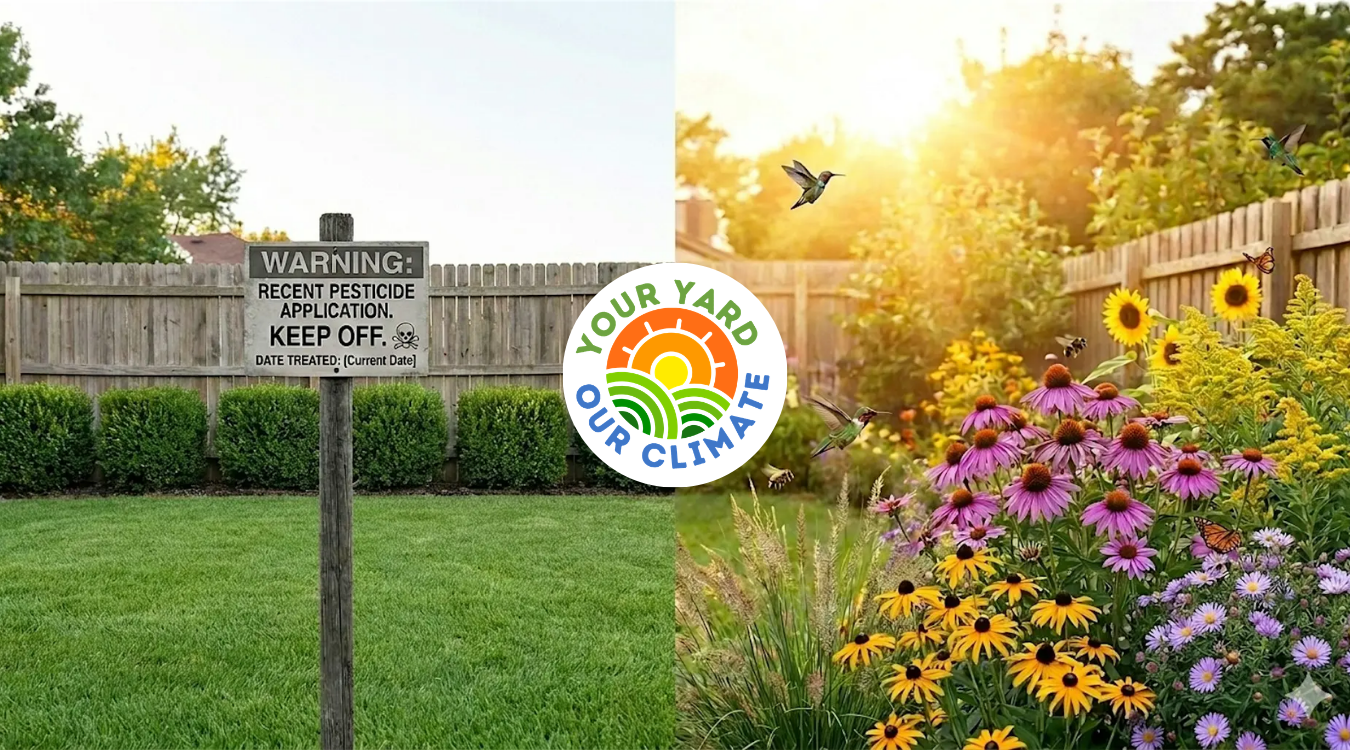
Pests Out, Pollinators In: Pesticide-Free Solutions for Your Yard – 6/25/2026
Are you ready to create a beautiful, comfortable outdoor space without relying on synthetic pesticides? As part of our Your Yard, Our Climate initiative, Sustainable Westport is teaming up with Wakeman Town Farm and Wild Ones to show you a simpler, safer way to instill beauty and comfort in your yard. Instead of working against nature, we’ll equip you with natural, effective strategies to deter pests, support vital local pollinators, and build deeply healthy soil right here in Westport.
Plus, you won’t leave empty-handed! Participants who preorder will take home their very own “Mosquito Bucket” – a safe, affordable, and highly targeted DIY approach to controlling mosquitoes at the source without harming the bees, butterflies, and birds we love.
Event Details:
- 📅 Thursday, June 25, 2026
- 🕕 6:30 p.m.
- 📍 Wakeman Town Farm – 134 Cross Highway, Westport
- 🎟️ Tickets: Get Tickets Here (Note: Mosquito bucket kits must be pre-ordered separately by June 23rd via the link below).
This event is presented in partnership with Wakeman Town Farm and Wild Ones.
Why You Should Come
Our backyards are more than just lawns; they are vital ecosystems. Traditional lawn care often relies on harsh chemical sprays that disrupt local biodiversity, strip the soil of nutrients, and inadvertently harm the pollinators our environment depends on. By shifting to natural yard care, you can protect your family and pets while actively contributing to a healthier, more climate-resilient Westport.
This event is for:
- Homeowners and renters looking for safe, effective alternatives to chemical pest control.
- Gardening enthusiasts and nature lovers eager to attract more bees, butterflies, and local wildlife.
- Families wanting a safer, chemical-free outdoor environment for kids and pets to play in.
- Climate advocates interested in practical, at-home actions that support local biodiversity.
🦟 About the Mosquito Bucket Kit
The kit is handled separately from the main event registration. To ensure we have enough supplies for everyone, please pre-order your kit by June 23rd.
Event brought to you by:

UnPlastic Your Backyard: Hosting and Harvesting Without the Waste
June is finally here, which means our social calendars and our garden beds are officially kicking into high gear. While we’re all looking forward to long afternoons outdoors, summer entertaining and garden prep tend to bring an unwelcome guest to Westport: an absolute mountain of single-use plastic waste.
From the patio to the tomato patch, we’re auditing the typical backyard setup and looking at how easily we can trade out cheap disposables for smarter, healthier alternatives that look better and last longer.
The Refreshment Upgrade: Cans, Hydration Stations, and Better Bites
Think about a standard backyard barbecue. A single guest might use one plate, but they can easily go through four or five plastic cups or water bottles over the course of an afternoon. Red party cups are made of polystyrene – a brittle, unrecyclable plastic that easily breaks down into toxic microplastics.
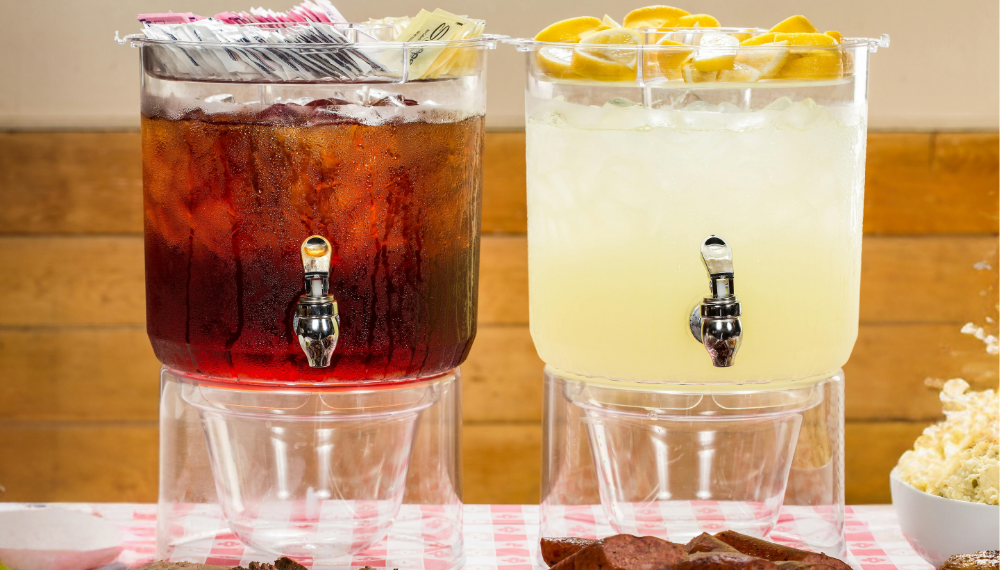
To lighten the load on your trash bins, ditch the single-use plastic entirely for infinitely recyclable alternatives.
- The Setup: Invest in a large, glass beverage dispenser filled with iced water or lemonade, and provide non-plastic reusable cups like aluminum or stainless steel or invite your guests to bring their favorite reusable bottles.
- The Smart Move: If single-use is just more convenient, opt for aluminum cans and boxed beverages. Aluminum is a recycling superhero; a can tossed into your bin today can be back on a store shelf in just two months.
- The Perks: You save money on bulk drinks, and you won’t have to haul heavy, leaking trash bags to the bin at the end of the night.
- The Little Details: While upgrading your drinks, don’t forget the food table. Flimsy plastic toothpicks and fruit skewers are too small to ever be recycled and easily blow away. Swap them for reusable stainless steel or biodegradable bamboo skewers. Same goes for utensils and plates – opting for reusable plates and utensils made from bamboo, wheat straw, or stainless steel.
The Garden Bed Upgrade: Natural Supports
Plastic zip ties, stretch tape, and plastic-coated stakes are incredibly common for securing heavy tomato plants and climbing vines. However, as they sit under the hot summer sun, these plastics bake, crack, and shed microscopic plastic pieces directly into the soil where you grow your food.
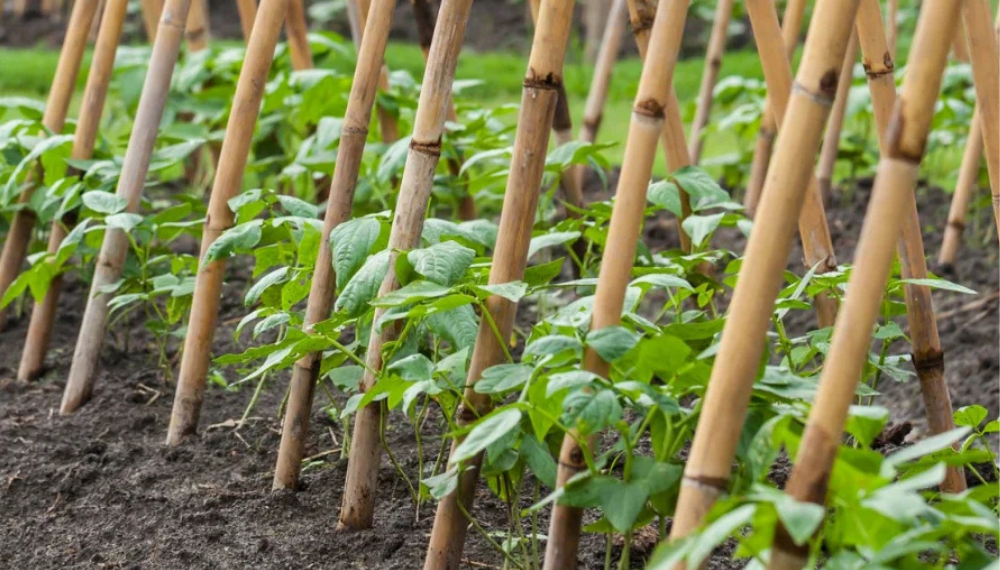
- The Smart Move: Swap out plastic ties for natural jute or hemp twine. At the end of the season, you can cut the vines down and throw everything straight into your compost pile.
- The Setup: Replace plastic-coated metal stakes with beautiful, natural bamboo poles or cedar stakes, and trade brittle plastic plant labels for weather-resistant wood or metal markers.
The Nursery Pot Round-Up
If your garage or the space behind your shed is starting to look like a plastic graveyard, you aren’t alone. Every spring, gardeners accumulate dozens of plastic nursery pots. Because of their weight and volume, letting these head to a landfill is a massive environmental burden. Fortunately, we have great local options to close the loop.
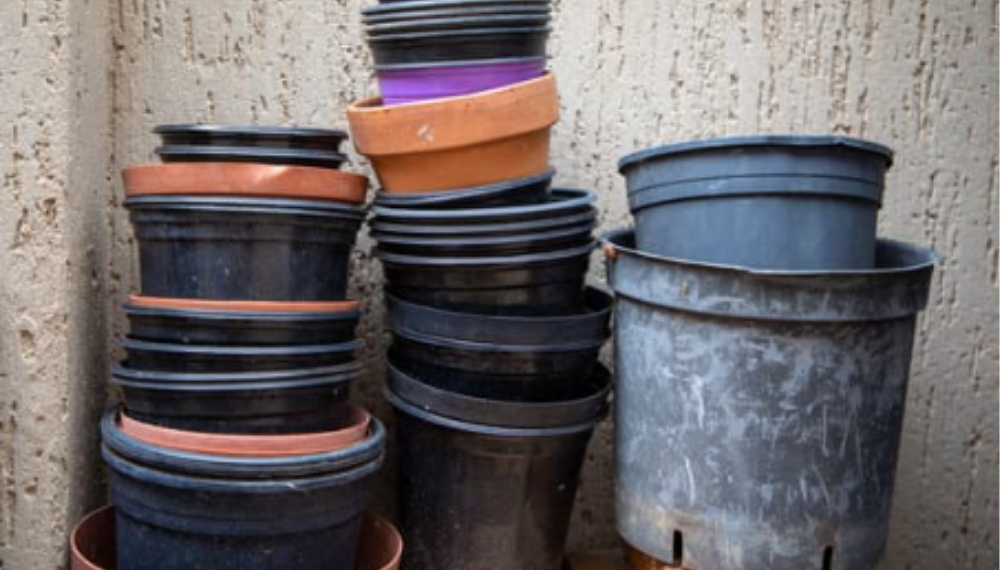
- Big Box Recycling: The Home Depot and Lowe’s locations in Norwalk and Fairfield run seasonal collection programs with dedicated carts where you can drop off empty plastic pots and trays.
- Local Nursery Returns: If you bought your perennials or annuals from local favorites like Gilberties or Izzo’s, give them a call before your next supply run – many are happy to take their pots back for next year’s supply.
One Swap at a Time
You don’t need a perfectly zero-plastic lifestyle to protect our local environment or your family’s health. Every piece of plastic we keep out of our backyards this month is one less piece of litter blowing onto Compo Beach or being burned at our local waste-to-energy incinerator.
Ready to make a change? If you’re willing to commit to just one plastic-free upgrade for your home or garden this month, click here to sign the UnPlastic Pledge and join a community making a tangible difference right in our own neighborhoods.
As a reminder, we do not consider ourselves experts. The products and practices shared here reflect personal experience and research, and are not sponsored or compensated recommendations. We are committed to making the switch one product at a time — reducing single-use plastic in our homes, our oceans, and our landfills. Even one swap can have an outsized impact for your family and for the planet.
UnPlastic Your Summer: The Westport Reset
May is for the “Pre-Game.” Build your systems now so you can spend June, July, and August enjoying the Sound, not managing plastic trash.
Summer in Westport is iconic, but the logistics can be heavy. We’re helping you audit your gear and swap out the “disposable” habit for high-performance, planet-friendly alternatives.
1. The Sunscreen Reset
Traditional plastic bottles are a triple threat: they leak in your beach bag, they’re rarely recycled, and many contain chemicals that harm our bodies and our local waters. Swap your “goo” for these plastic-free, high-performance tins.
- Raw Elements: The gold standard for water resistance. Their 30+ tin is a beach bag essential.
- Little Hands Hawaii: Perfect for sensitive skin and kids. Their tins and sticks are strictly “no-nonsense” and zero-waste.
- All Good: Lightweight, reef-friendly, and comes in easy-to-use tins that won’t crack under the weight of your beach chair.
2. The Hydration Reset
Stop hauling heavy cases of plastic-wrapped water bottles around- whether to Compo Beach, a neighborhood picnic or the summer ball games. When those bottles sit in the sun, the PET plastic can release chemicals and microplastics into your water. To truly UnPlastic, the best move is to buy in bulk canisters and scoop what you need into your reusable bottle. If you need the convenience of “on-the-go” sticks, look for brands committed to better packaging.
- Nuun Tablets: These come in a single, recyclable plastic tube that replaces 10+ bottles of Gatorade. The Eco-Win: Once you finish the tube, it’s a great waterproof container for matches or hair ties!
- Ultima Replenisher (Bulk Canisters): Skip the individual stick packs and go for the 90-serving canister. One tub replaces 90 plastic bottles and significantly reduces packaging waste.
- Skratch Labs: Like Ultima, they offer large multi-serving bags. The Eco-Win: Skratch is known for clean, real-food ingredients, and by using their bulk bags, you’re cutting out the foil-laminate waste of individual packets.
3. The Picnic Reset
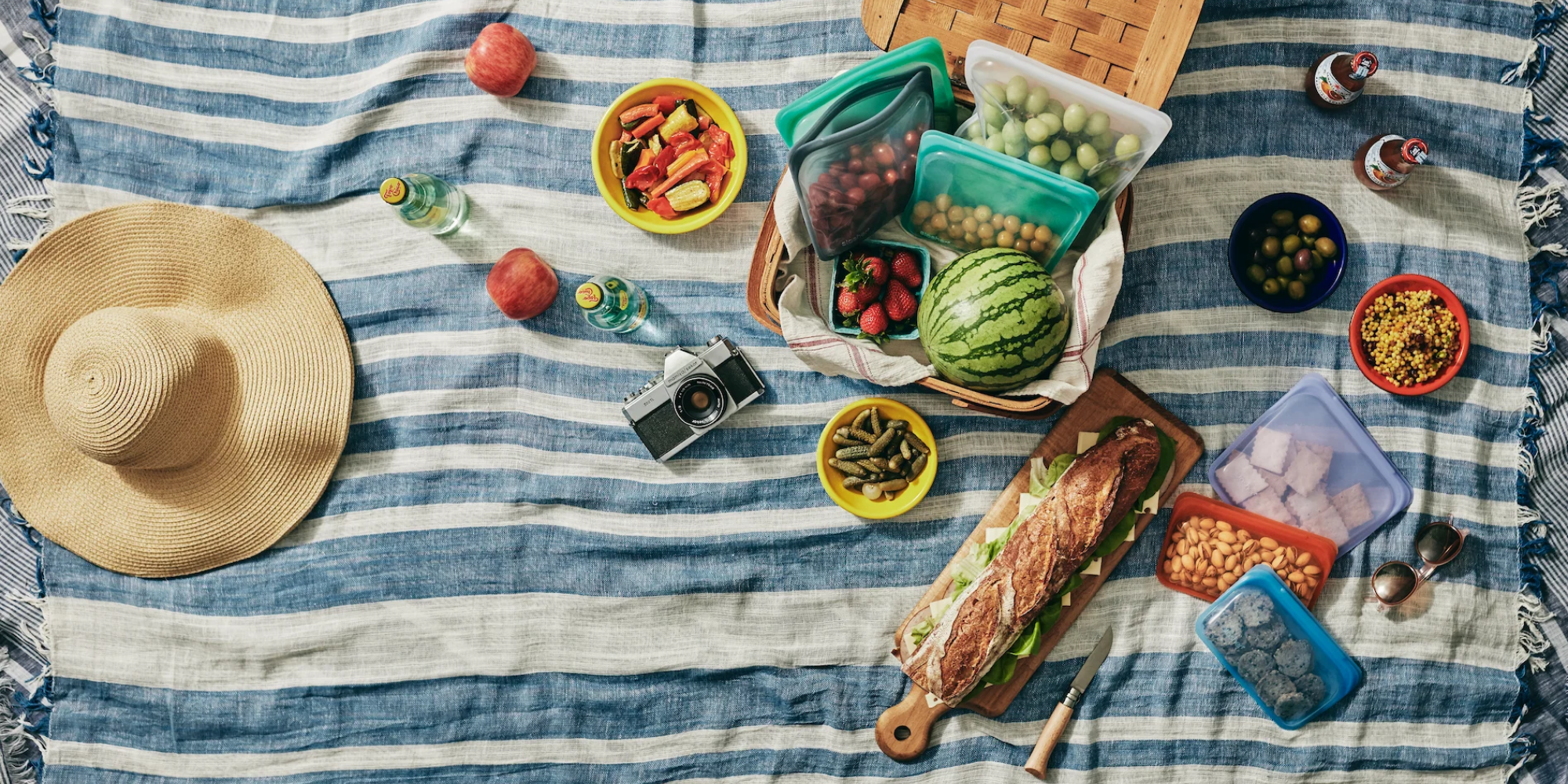
Ziploc bags and flimsy plastic wraps are not only the first things to blow away in a beach breeze, they are often made with chemicals, which can migrate into fatty foods (like cheese and meats) much faster when exposed to heat and salt. Keep BOTH the sand and toxins out, and the food fresh with sturdy, reusable “Beach Charcuterie” gear.
- ECOlunchbox: Their stainless steel bento boxes are virtually indestructible and plastic-free.
- Stasher Bags: The ultimate reusable alternative to single-use bags. They seal tight and can even be thrown in the dishwasher after a sandy day.
4. The Garden Reset
Don’t let your garage become a plastic graveyard.” Every May, nursery pots pile up behind our sheds. Here is how to clear the clutter:
- The Return Loop: Keep a bin in your car for empty pots.
- Drop-Off Locations: The Norwalk & Fairfield Home Depots and Lowe’s (on Connecticut Ave) have seasonal collection programs for nursery pots and trays.
- Local Nurseries: If you bought your plants from Gilberties, Izzo’s or another local nursery, call ahead as they may take your pots back.
- Garden Clubs: The Westport Garden Club will be accepting plastic pots on Saturday, May 9, 2026 at their plant sale (Jesup Green) and on Thursday, May 28, 2026 at the Westport Farmers’ Market (50 Imperial Ave)
Progress Over Perfection
You don’t need a zero-waste life to make a difference in Westport. Every “UnPlastic” swap you make in May is one less piece of trash on our shoreline in August.
Ready to start your reset? Pledge to UnPlastic here.
As a reminder, we do not consider ourselves experts. The products shared here reflect personal experience and research, and are not sponsored or compensated recommendations. We are committed to making the switch one product at a time — reducing single-use plastic in our homes, our oceans, and our landfills. Even one swap can have an outsized impact for your family and for the planet.
Sustainable Westport Names Its First Restaurant Champions
This Earth Day, we are thrilled to announce our inaugural group of Sustainable Westport Restaurant Champions. These restaurants are not just whipping up delicious food, they are serious about operating their businesses sustainably and supporting our local food system.
Our Restaurant Champions program celebrates the restaurants who are already leading by example and offers guidance and resources to those wanting to improve their sustainability efforts. The program specifically focuses on four key areas: complying with Westport’s single-use plastic ordinance, sourcing ingredients sustainably, engaging in responsible waste management, and prioritizing energy efficiency.
Here is how some of our Restaurant Champions are already making a difference:
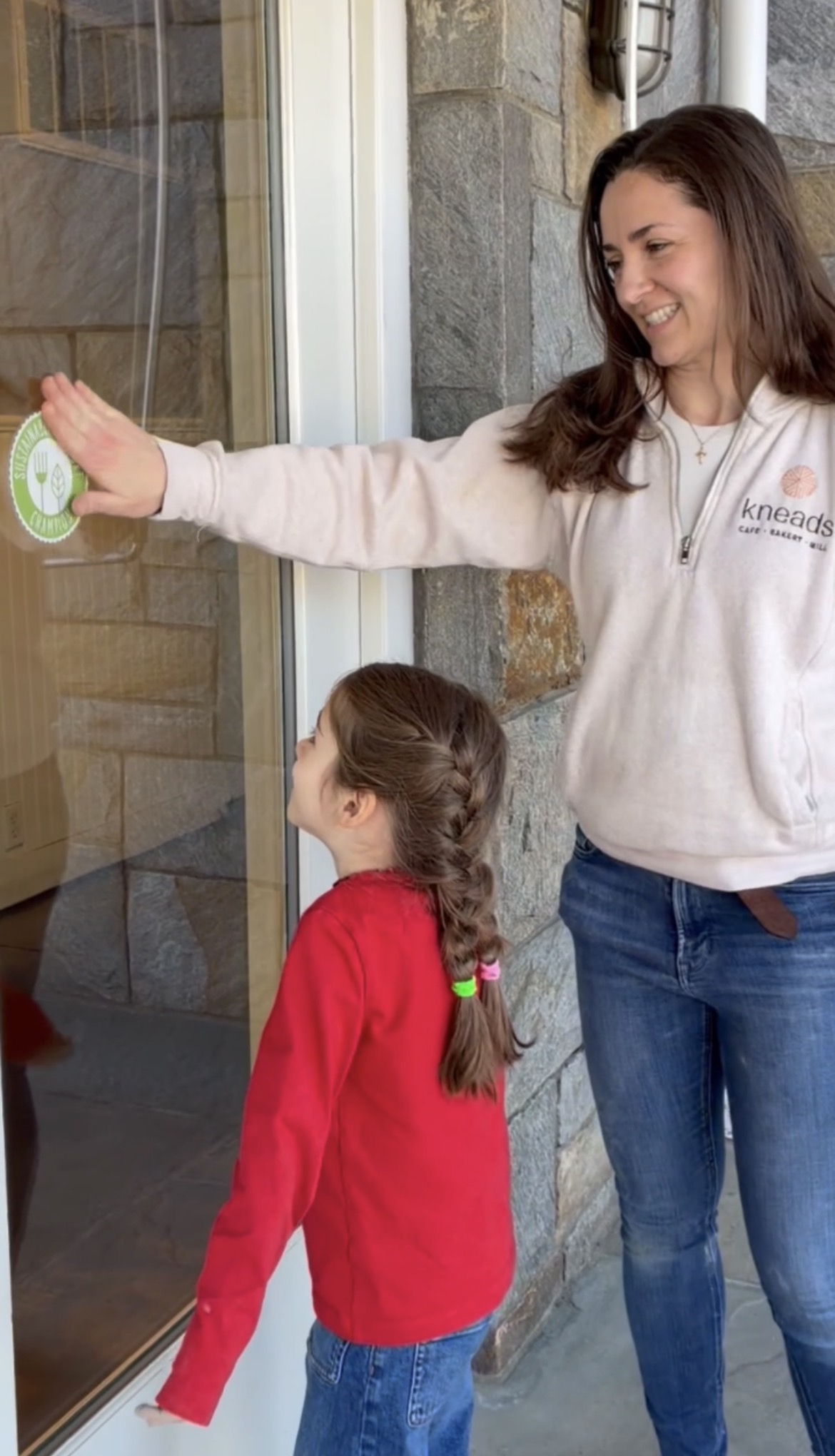
Kneads, run by Daniel and Brittany Moreno, prioritizes local and sustainable ingredients from local farms they know and trust; they even go as far as milling their own grains on-site. The team also goes above and beyond when it comes to recycling food scraps and limiting waste. Not only does Kneads compost but also they donate any end-of-the-day leftover baked goods to US Food Rescue to feed the hungry and prevent waste.
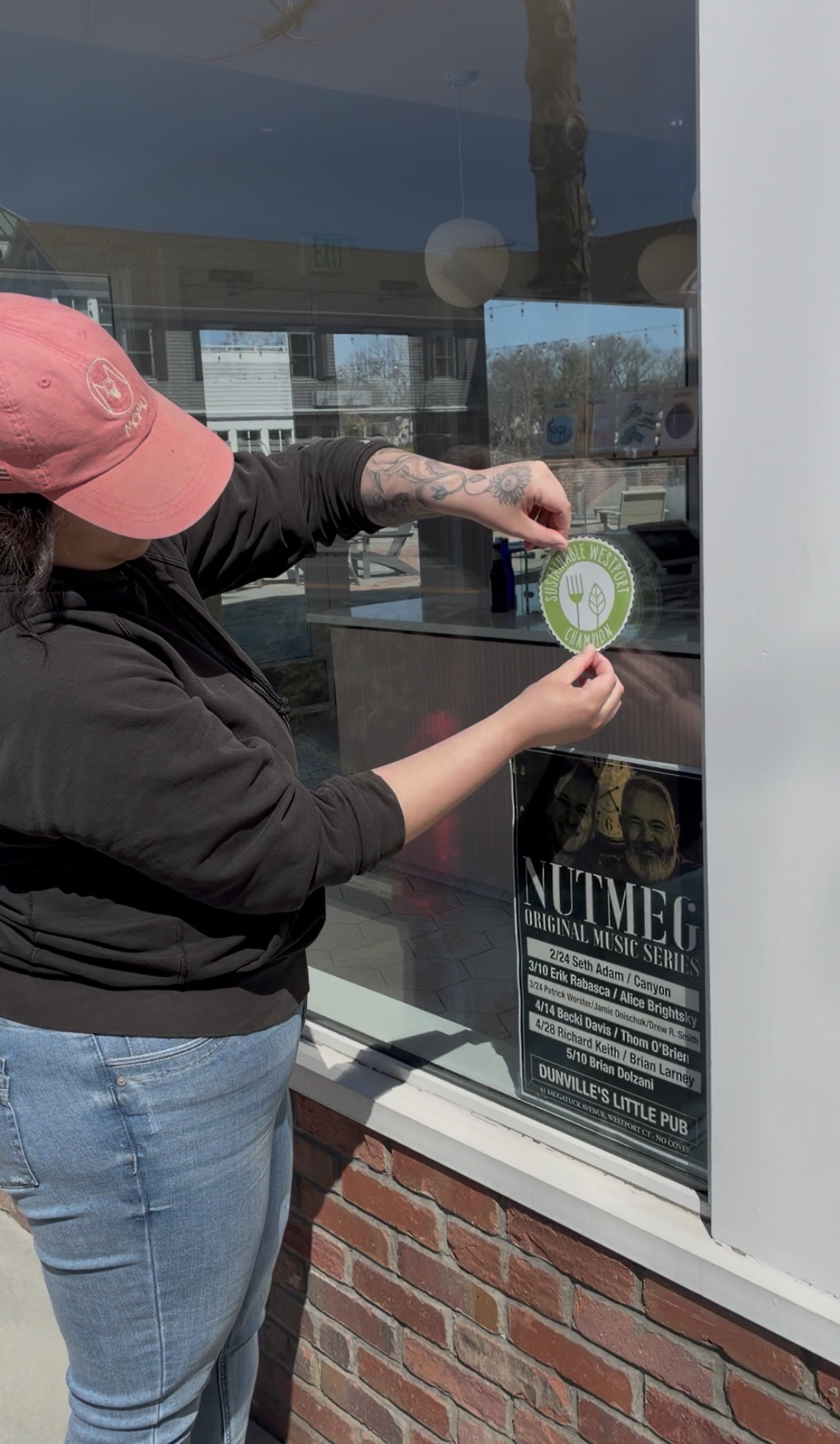
Momu, run by MMM Hospitality, makes all of their ice cream and most toppings in-house with ingredients from local farms and businesses. Their dairy is sourced from Arethusa Farm (Litchfield), they source their coffee from Irving Farm (NYC), and they frequent the Westport Farmers Market every Thursday for inspiration for seasonal flavors. When it comes to serviceware and packaging, you won’t find any plastic—everything is made from paper or recyclable materials.
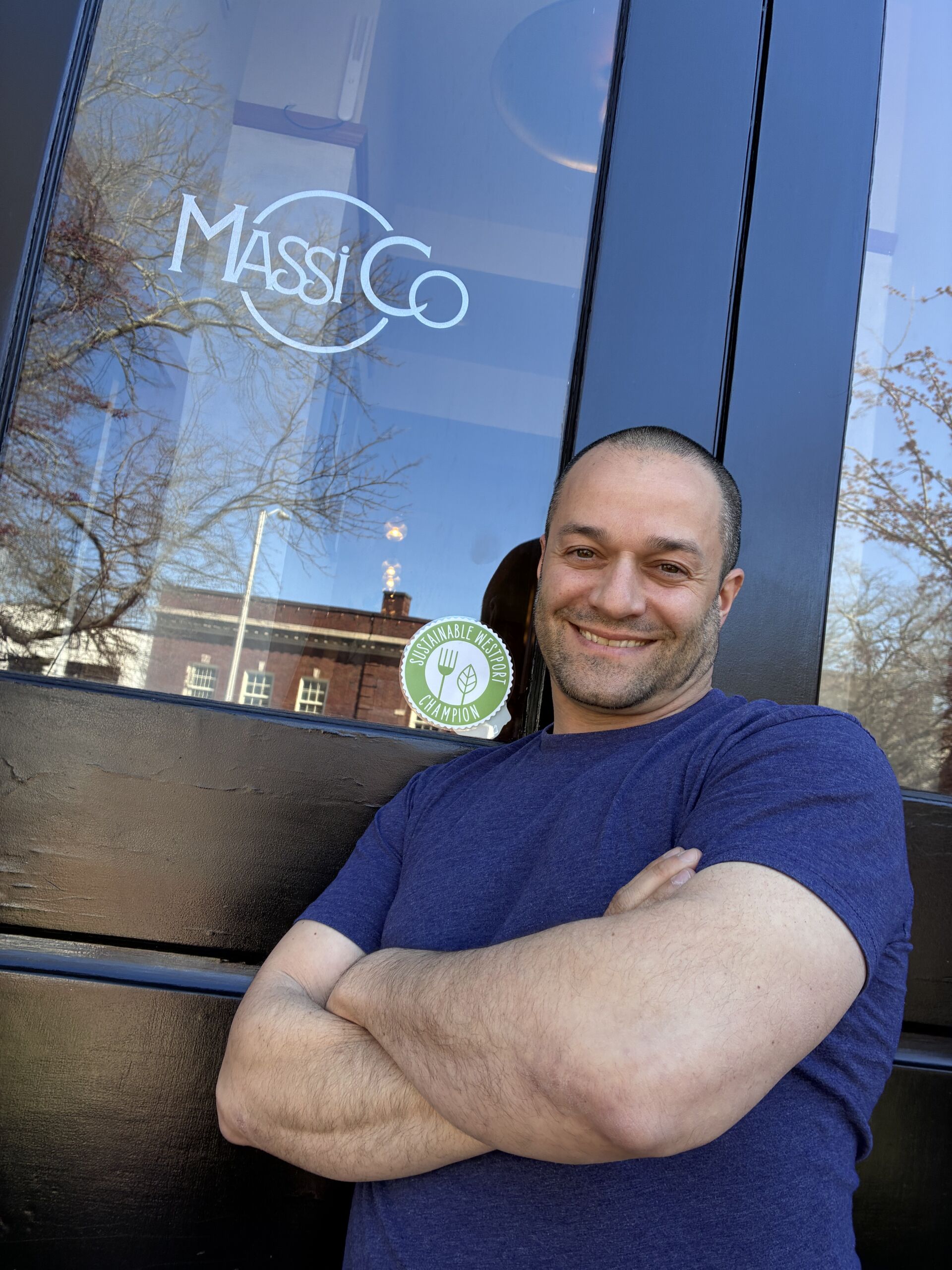
The Whelk and Massi Co are two more restaurants by Massimo Tullio paving the way. The Whelk partners with CORR (Collective Oyster Recycling & Restoration) to recycle used oyster shells for an on-going oyster habitat restoration project in the Long Island Sound. Recycling and reusing the shells not only prevents them from ending up in the landfill but also provides many environmental benefits like restoring oyster beds and providing habitat for new oysters to grow. The restaurants also regularly donate excess food to the Gillespie Center to minimize food waste and Massi Co is exploring ways to introduce composting into its operations. Since becoming a Restaurant Champion, both restaurants have swapped out their plastic to-go lids for paper ones in an effort to reduce single-use plastics.
Michelle Greenfield’s Allium Eatery has also shown commitment to improving the restaurant’s carbon footprint. While Allium was already using compostable containers for its to-go provisions, they did sell single-use plastic water bottles. Since becoming part of the Restaurant Champions program, the buvette has swapped out plastic bottles for glass and has put up educational signage to help customers properly dispose or compost their takeaway containers.
For our initial group of restaurants, we zoned in on Saugatuck but we plan to open the program up to downtown and beyond. Do you know of a food business in Westport with a strong commitment to sustainability? Please send all nominations to restaurantchampions@sustainablewestport.org and spread the word!
UnPlastic Your Closet: Start with the Label
As written by Sara Gaynes Levy and featured in the April 2026 issue of Westport Lifestyle.
As you read this, you are probably wearing plastic. If you’re in leggings, a workout top, a fleece, puffer jacket, or anything described as “stretchy,” “athleisure,” or “performance,” (or even denim with just a bit of give), there’s a very good chance it’s made from polyester, nylon, acrylic, or elastane. Translation: oil. Synthetic fibers are plastics, derived from fossil fuels, and spun into thread.
Roughly 60 percent of all clothing produced globally is made from synthetic fibers, and that number is even higher in activewear and fast fashion. In other words, most of us are wrapped in plastic for large portions of the day. Plus, every time you wash synthetic clothing, it sheds hundreds of thousands of tiny plastic fibers. Wastewater treatment plants can’t fully capture them, so they flow into rivers, lakes, and oceans. Scientists estimate that around 35 percent of microplastics in the ocean come from synthetic textiles. Not straws. Not packaging. Clothes.
So, in 2026, Sustainable Westport is focusing on helping Westporters “unplastic” their lives, one step at a time. “UnPlastic Westport’s goal is to reduce single-use plastic in Westport and to inspire and equip the community to choose better alternatives to plastic in our lives,” says Johanna Martell, the co-director of Sustainable Westport. For Earth Month, their focus is on our closets, a sneaky source of microplastics. “Choosing to limit the plastic in our clothing is both good for the environment and our health,” says Johanna.
Here, their team of experts: co-directors Johanna Martell and Gately Ross, and sustainable stylist Haley Lieberman, share their tips for “un-plastic-ing” your clothing and doing your part.
Check the Tag
“Every garment is required by law to have a care tag that lists its fiber content,” says Haley Lieberman, a stylist and sustainable fashion advocate in Westport. “Once you start looking, you’ll see that the most common plastic-based fibers show up again and again: polyester, nylon, acrylic, elastane (also called spandex or Lycra), and polyurethane.” Focusing on natural fibers, like cotton, wool, linen, silk, hemp, and cashmere, is a great place to start (though beware of blends, as they still shed plastics over time).
Store with Care
“Hangers and storage systems are often overlooked sources of plastic,” says Haley. “Thin plastic hangers and bins degrade over time, trap odors, and contribute to indoor plastic dust. Wooden or metal hangers and breathable storage options like cotton garment bags are quieter, longer-lasting choices.”
Beware of Accessories
“Shoes, belts, and accessories are harder to fully de-plasticize, but awareness still help,” says Haley. “Many shoes rely on plastic soles and foams, but uppers made from leather, wool, or canvas tend to shed less than fully synthetic materials. And ‘vegan leather,’ despite the name, is polyurethane or PVC — just plastic by another name.
Eliminate Responsibly
“When you’re ready to part with plastic-heavy items, the goal isn’t to send them straight to the landfill. Donate wearable pieces so they can have a second life, and look for reputable textile recyclers for items that are worn out,” says Haley. Westport and Weston use Bay State Textiles for recycling, and anything that’s not in donate-able shape should go to them. (Drop off at 300 Sherwood Island Rd.)
Shop Smarter
“I strongly suggest resisting buying more clothes until we actually need to,” says Haley. “New, used, organic, synthetic — no matter what we purchase, almost all of it eventually ends up in landfill. Even fibers that can be recycled usually aren’t. That said, since we do need clothes, the goal is to make purchases intentionally. Start with secondhand whenever possible. It keeps materials in circulation and avoids creating demand for something new. When buying new, prioritize natural fibers, especially in blends. You won’t be able to eliminate synthetics entirely, and that’s okay. The key is to buy them well.”
Keep going
“The important thing is to choose what works for you and your family,” says Gately Ross, co-director of Sustainable Westport. “There is no one area that is more important than the next. One of the easiest places to start are meals and food storage. Stop buying single-use beverages in plastic bottles. Avoid storing and heating up your food in plastic containers; instead switch to glass containers.”
For more tips, swaps, and ideas, subscribe to their newsletter, and sign the Pledge to UnPlastic.
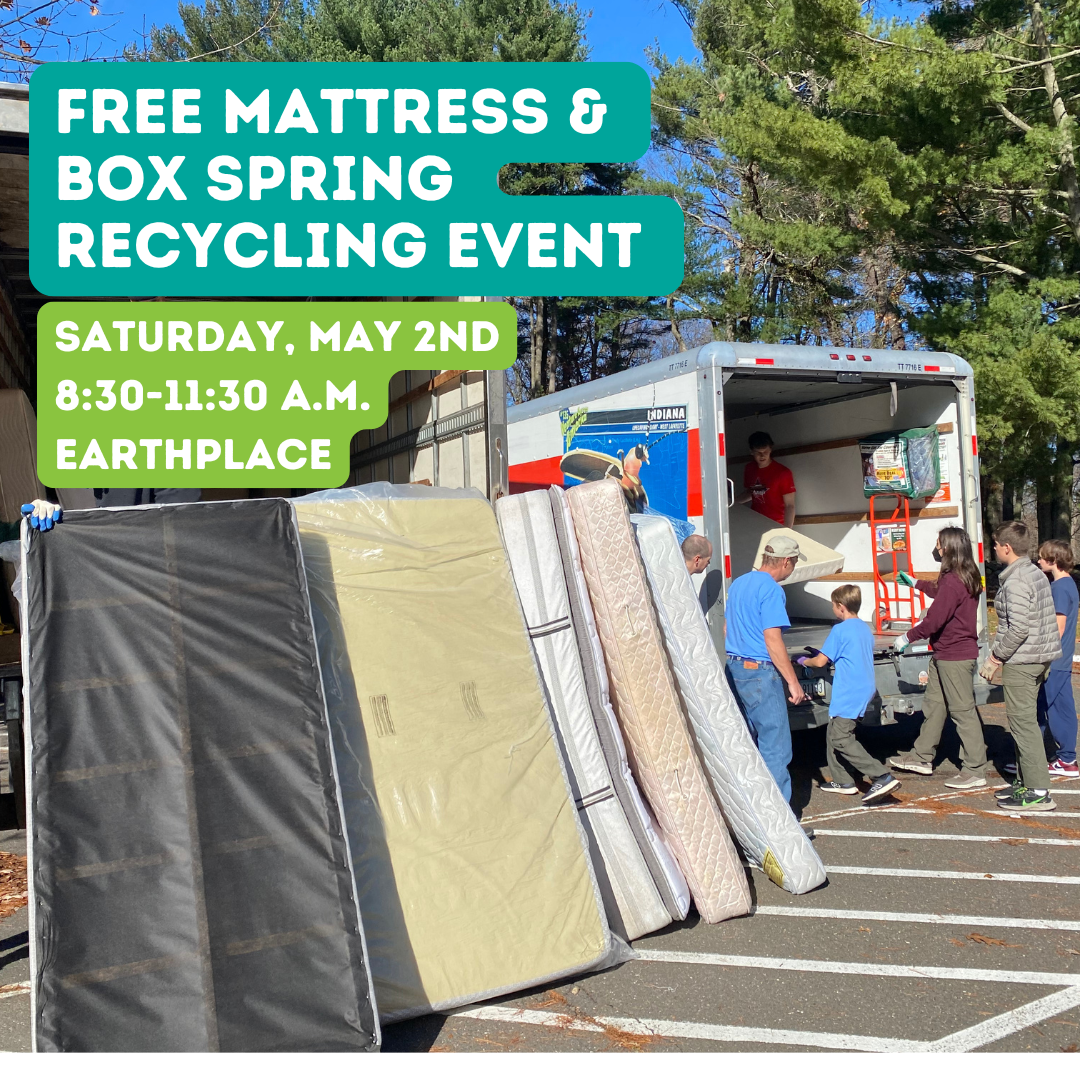
Free Mattress and Box Spring Recycling Event: 5/2/26
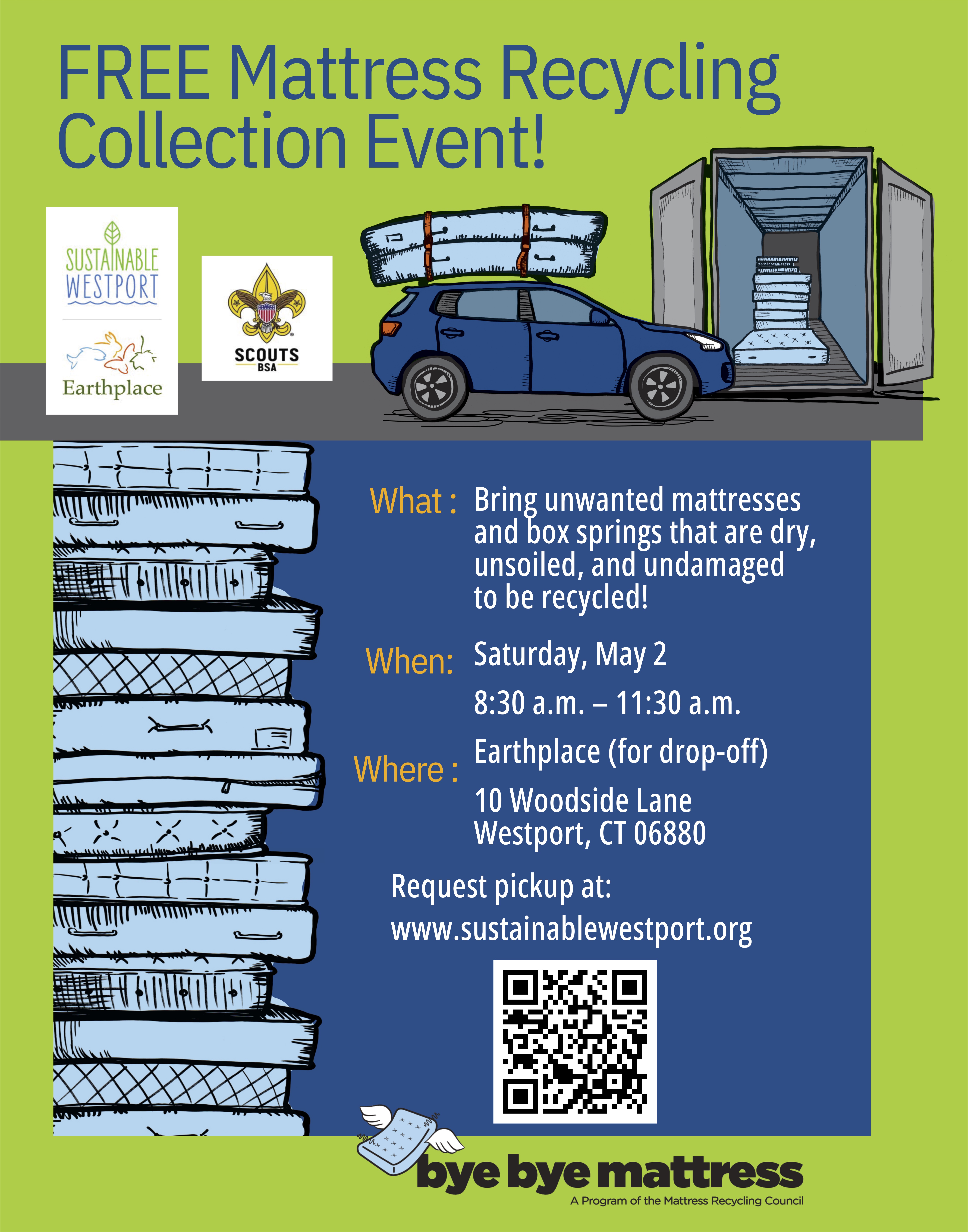
We are proud to co-sponsor the upcoming FREE Mattress/Box Spring Recycling Event alongside Earthplace.
Up to 90% of old mattresses can be recycled into new products like carpet pads, cushioning for exercise equipment and bike seats, insulation, air filters, and steel materials. Shockingly, Americans discard an estimated 20 million mattresses and box springs annually, with approximately 55,000 of them ending up in incinerators and landfills each day.
Bring your dry and unsoiled mattress and/or box spring to Earthplace during the designated time frame. We cannot accept mattresses or box springs that are damaged, wet, or contaminated (ex., bed bugs). If you are unable to transport your mattress or box spring, Westport’s Boy Scout Troop 36 will provide a pickup service for a small donation.

UnPlastic Your Kitchen: Simple Swaps for a Healthier, Environmentally-Friendly Home
Walk into almost any kitchen and you’ll find plastic everywhere – from food packaging and storage bags to utensils, coffee pods, and takeout containers. While these items are convenient, they come with hidden costs to both our health and the environment. Globally, nearly 50% of all plastic produced each year is designed for single use, meaning it is used briefly and then discarded, often ending up in landfills, waterways, or oceans. Food and beverage packaging alone accounts for a significant share of this waste, making the kitchen one of the most important places to start reducing plastic at home.
The impact goes beyond waste. Scientists are increasingly finding microplastics (tiny fragments created as plastics break down) in our food, drinking water, and even inside the human body. Studies estimate people may ingest at least 50,000 plastic particles each year, with growing evidence linking exposure to inflammation and hormone disruption. Plastics also leach endocrine-disrupting chemicals like BPA and phthalates into food, potentially interfering with the body’s natural hormones and contributing to long-term developmental and reproductive health concerns. But plastic pollution doesn’t just impact humans, it affects more than 600 marine species worldwide, demonstrating how everyday household choices connect directly to global environmental health.
The good news? Meaningful change doesn’t require a perfectly plastic-free lifestyle. By focusing first on reducing single-use plastics, the items used briefly but discarded daily, small, practical swaps in your kitchen can significantly lower waste, reduce chemical exposure, and support a healthier community. Once you’ve tackled the single-use items, consider “leveling up”: Replace reusable plastics with the greatest health impact that experience heat, friction, or long food contact.
In this guide, we’ve organized recommendations by kitchen “zones,” reflecting how we actually cook, store, and eat at home. Think of this as a practical roadmap to UnPlastic your kitchen step-by-step, starting with the changes that matter most for both your health and our environment.
Kitchen Zones to UnPlastic
Each zone below includes why the change matters for health and the environment, followed by practical swaps you can adopt right away.
Food Shopping Zone: Reduce Plastic Before It Enters Your Kitchen
How food is packaged influences both how much plastic enters our waste stream and how much contact plastic has with the food we eat. Many impactful changes require little additional cost or effort but significantly reduce plastic exposure and waste (Source: P-SNAP Guide).
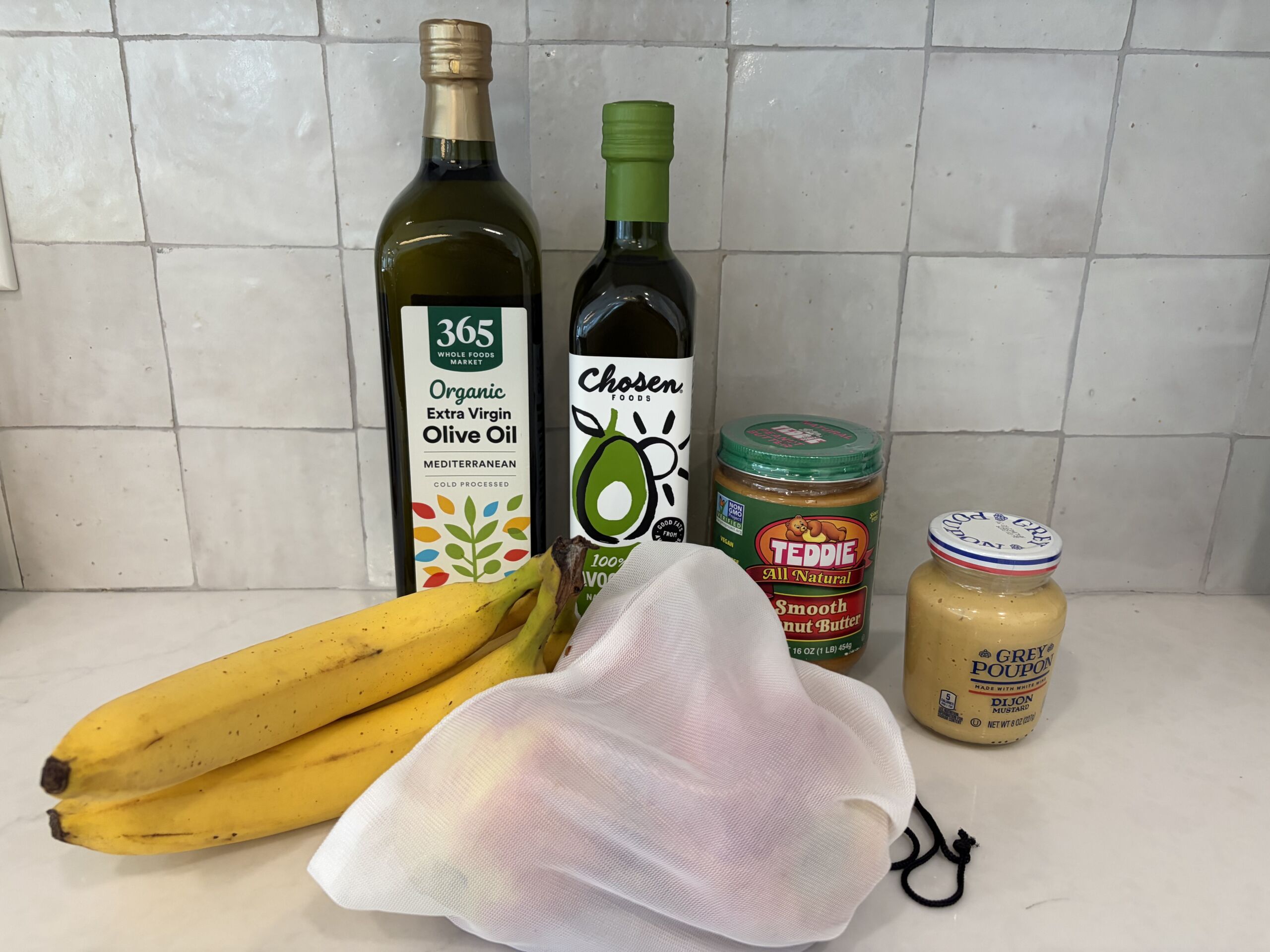
Shopping habits that reduce plastic:
- Select loose fruits and vegetables instead of plastic-wrapped produce
- Buy bulk items using your own containers when possible
- Choose minimal-packaging or plastic-free brands
- Use cloth produce bags instead of the plastic bags available at the stor
- Purchase products packaged in glass containers rather than plastic, especially oils, condiments, yogurts and beverages.
Swap these items that have more plastic incorporated into their production:
- Opt for dry uncooked rice over instant rice and rinse before cooking
- Choose raw poultry or steak over heavily processed or breaded options
Food Storage Zone: Plastic-Free Storage for Freshness & Health
Even when food isn’t heated, plastic containers can slowly shed microplastics and allow chemical additives to migrate into food over time, especially with repeated use or long storage periods. Choosing glass, stainless steel, or ceramic containers, even for dry goods, helps reduce everyday plastic exposure while improving durability and freshness.
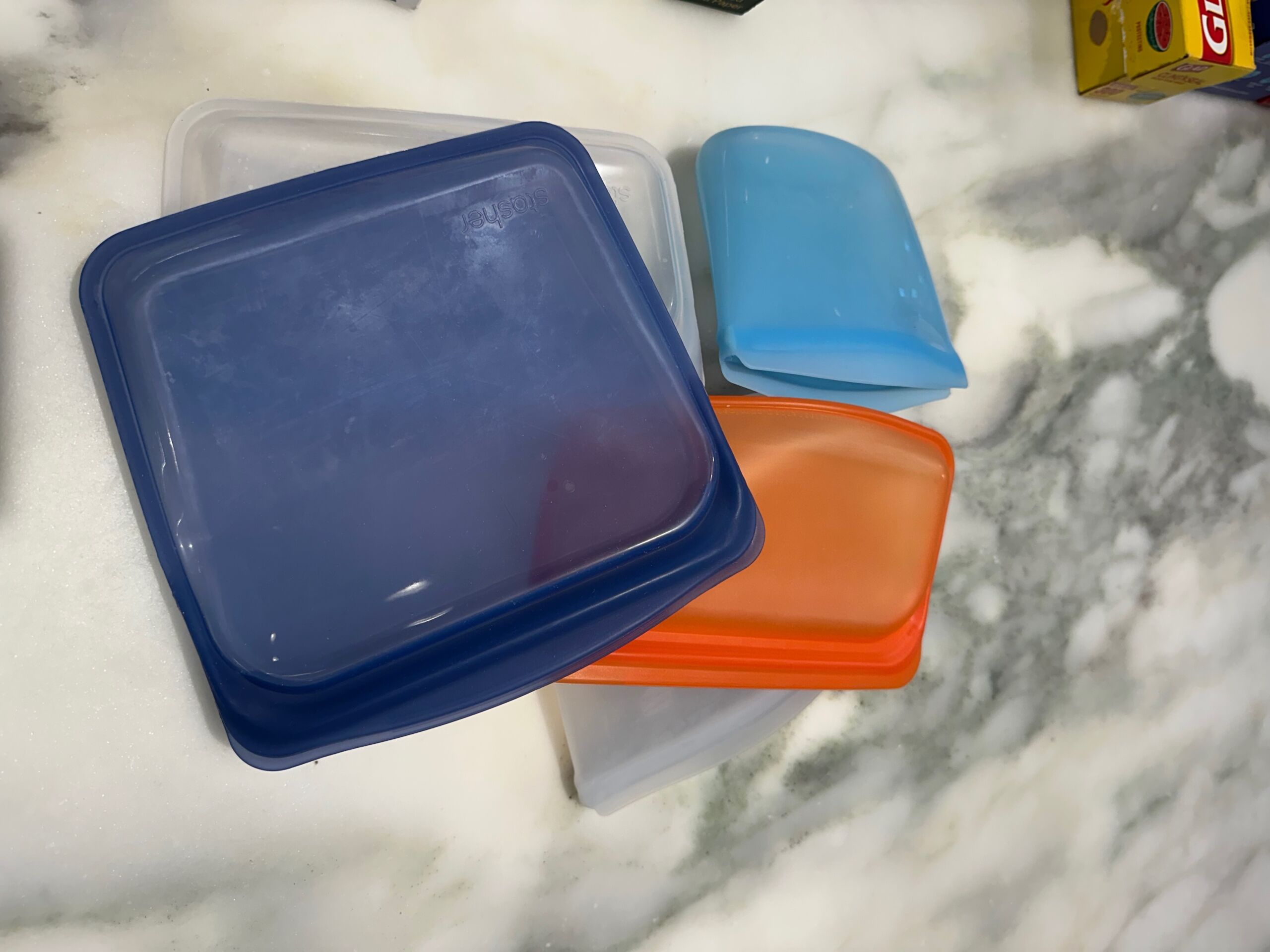
Simple storage swaps:
- Swap plastic wrap for beeswax wraps and silicone covers. A reusable alternative for covering bowls and wrapping food that reduces single-use plastic. We like this malleable option and this roll-style version you can cut to size, as well as stretchy, silicone covers like these.
- Choose glass or stainless steel storage containers. Durable, non-plastic containers help limit chemical exposure and last for years.
- Replace plastic baggies with reusable silicone bags. Washable and long-lasting for snacks, leftovers, and freezer storage. These Stasher bags are a long-time favorite.
- Eliminate single-use zip-top bags where possible. One of the most common sources of kitchen plastic waste can often be replaced with reusable alternatives.
Reheating & Coffee Station: Reduce Heat Exposure to Plastics
Heating and even long-term freezing food in plastic containers can cause microplastics and chemical additives like BPA and phthalates to migrate into food. Research shows microwave heating releases especially high levels of plastic particles, prompting experts to recommend glass, ceramic, or stainless steel alternatives for safer reheating and everyday use (ACS Publications, June 21, 2023).

Practical swaps:
- Switch to reusable coffee brewing methods. Replace single-use coffee pods with a reusable Keurig insert or a pour-over system (like this one with a reusable filter) to reduce plastic waste and avoid heating water through disposable plastic capsules.
- Choose stainless steel or ceramic mugs. Swap disposable or plastic-lined cups for insulated stainless steel travel mugs or ceramic options. Everyone has a favorite mug. We like this eco-friendly option that comes in unique colors.
- Reheat food in glass or ceramic, not plastic. Use glass storage containers or ceramic dishes for safer reheating. This may be old news at this point, but it bears repeating.
Food Prep Zone: Safer Cooking Tools Without Plastic
Many everyday cooking tools are made from plastic that can wear down with chopping, scraping, washing and repeated heat exposure, contributing tiny plastic particles directly into food. Studies show that routine kitchen activities, especially cutting and stirring on plastic surfaces, can generate microplastics, making this an important area to prioritize durable materials like wood, bamboo, and stainless steel for safer food preparation. Try the alternatives below for each instead.
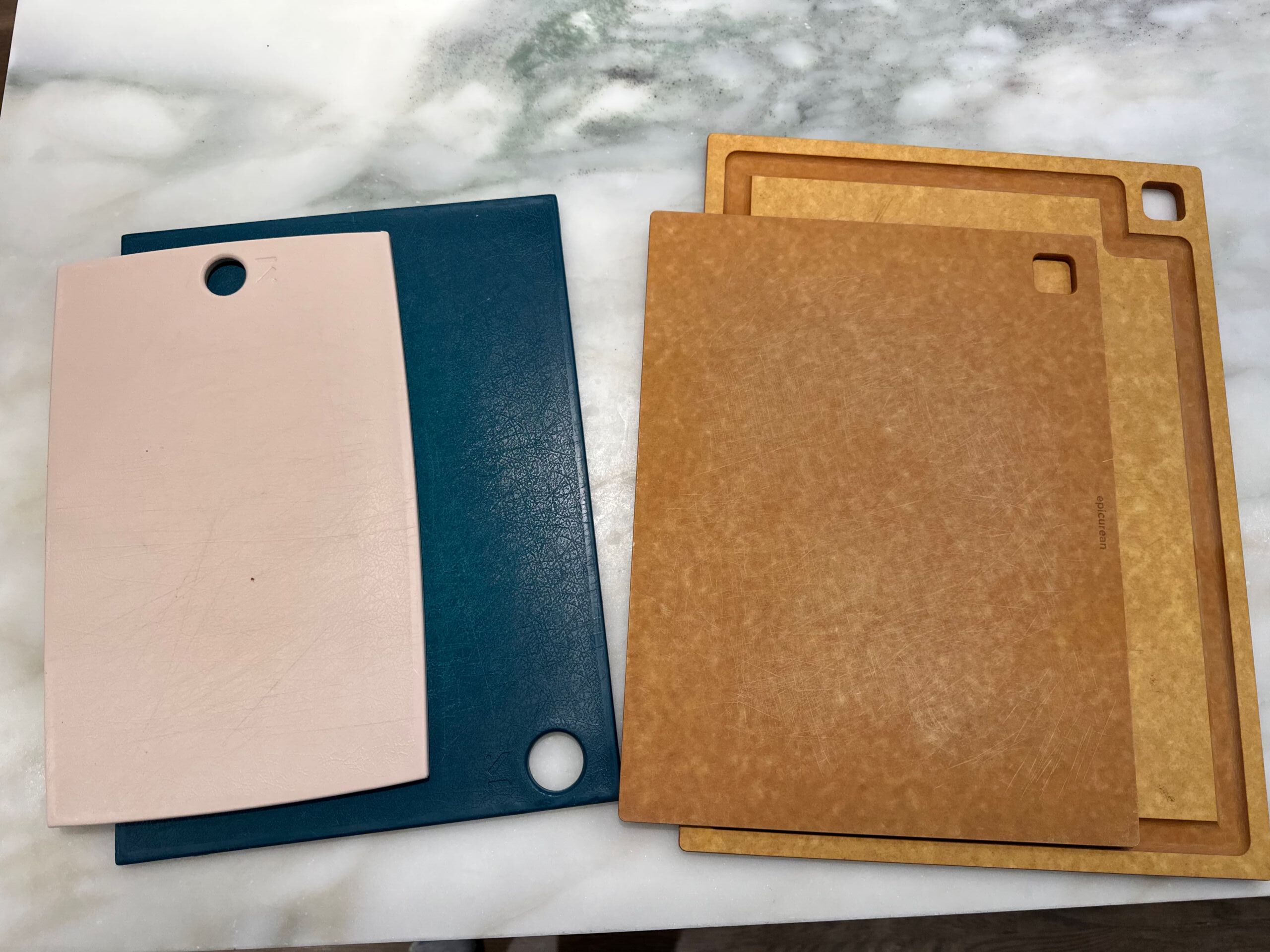
Cutting boards:
- The MK Free Board
- A butcher block like this one
- Nonslip bamboo cutting board like this one
Cooking Utensils:
- Wooden or bamboo spoons and spatulas
- Stainless steel ladles and turners
- Silicone utensils designed for high heat (food-grade and long-lasting)
Food Prep Tools & Accessories:
- Stainless steel mixing bowls
- Metal or ceramic measuring cups
- Stainless steel peelers and strainers
Eating & Entertaining Zones: Easy Swaps for Plastic-Free Gatherings
Single-use plastics often appear most during gatherings, takeout nights, or busy weekdays. These items are convenient but short-lived, making them some of the easiest and highest-impact swaps for reducing waste.
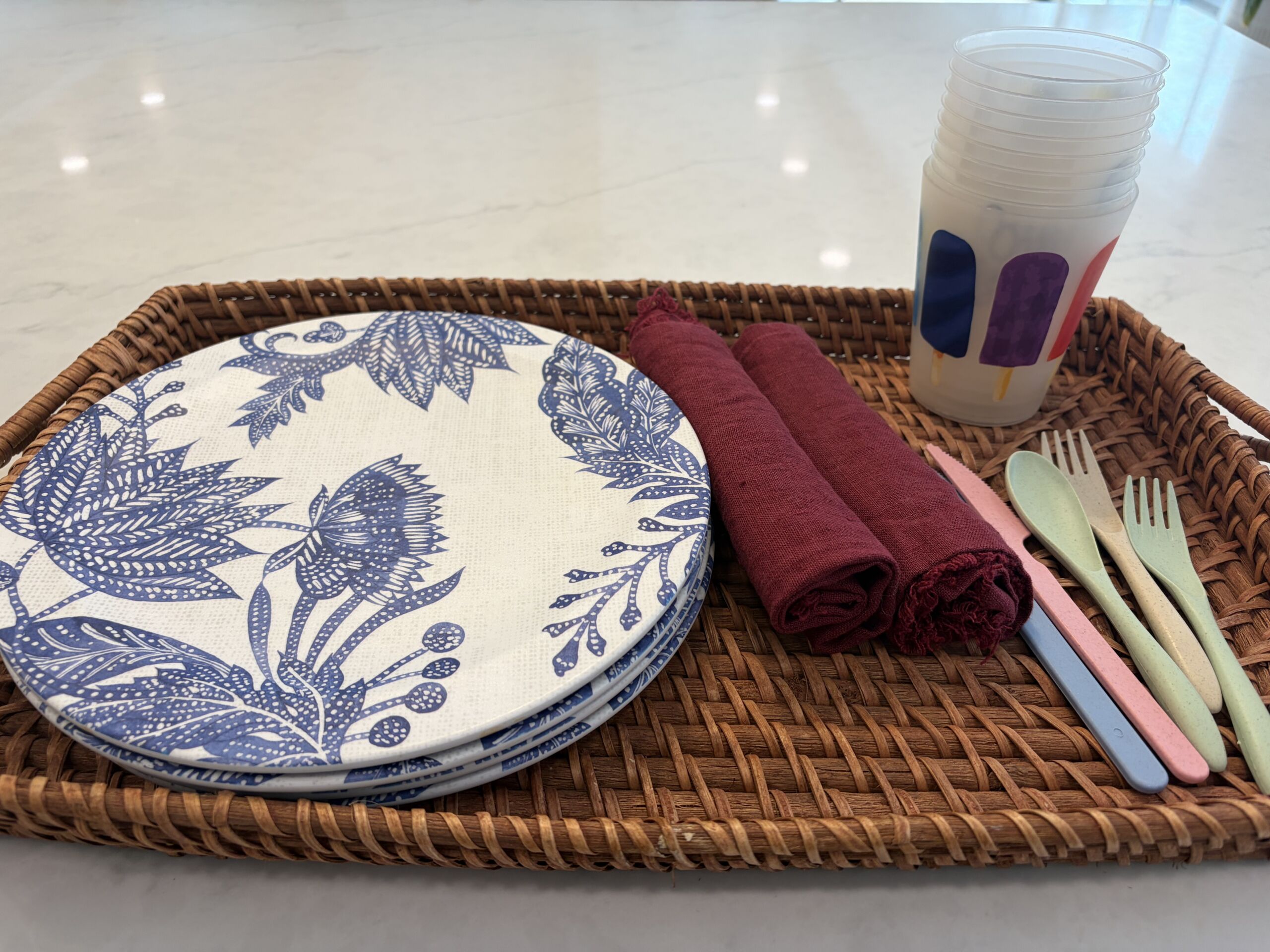
Easy entertaining swaps:
- Use bamboo or metal cutlery instead of disposable plastic utensils even when hosting
- Choose reusable plates, cups, and servingware whenever possible
- Replace paper or plastic-blend napkins with washable cloth napkins
- Keep a small set of reusable items ready for parties or picnics to avoid last-minute disposables
Start Your UnPlastic Journey Today
We want to hear from you! Was a swap harder than expected? Did you discover the perfect beeswax wrap that actually works and want to share the news?
Share your progress using #UnPlasticWestport on your social channels or submit your learnings here.
Ready to make it official and join other residents working to UnPlastic their lives one yogurt container at a time? Let us know.
Remember: start small, swap gradually, and celebrate progress. Every change moves us closer to healthier homes and a less plastic-dependent community.
As a reminder, we do not consider ourselves experts. The products shared here reflect personal experience and research, and are not sponsored or compensated recommendations. We are committed to making the switch one product at a time — reducing single-use plastic in our homes, our oceans, and our landfills. Even one swap can have an outsized impact for your family and for the planet.

Plastic People: The Hidden Crisis of Microplastics | A Film Screening + Expert Panel Discussion
Hosted by Sustainable Westport
📅 Thursday, April 9, 2026
🕕 6:30 p.m.
📍 Greens Farms Academy, Janet Hartwell Performing Arts Center – 35 Beachside Ave, WestportAbout the Event
Sustainable Westport invites you to a powerful, one-night-only screening of Plastic People: The Hidden Crisis of Microplastics — a groundbreaking documentary exposing the alarming spread of microplastics throughout our planet and our bodies.
After sold-out showings at SXSW, DOXA, and Sheffield Doc Fest, Plastic People brings its urgent message to Westport. The film dives deep into how microplastics—tiny, invisible fragments of plastic—have infiltrated every aspect of life on Earth, including our food, water, air, and even our bloodstreams.
A big thank you to our event sponsor, Jillian Klaff at Coldwell Banker Realty, for helping us bring this event to Westport! We are grateful for her commitment and partnership.
Why This Film Matters
Plastic pollution is no longer just about litter — it’s about survival. Consider these facts:
- Over 1.5 billion plastic bottles are purchased worldwide every single day.
- Two million plastic bags are used every minute.
- 400+ million tons of plastic are produced annually—nearly half for single use.
- Less than 10% of all plastic ever produced has been recycled.
- Every molecule of plastic ever created still exists — degrading from large to microscopic, never disappearing.
- Microplastics are now part of our planetary systems — found in the water cycle, the carbon cycle, and even in clouds.
- These tiny particles have been detected in human lungs, placentas, blood, and feces.
This screening will challenge you to look beyond recycling and into the root of the crisis: our global overdependence on plastic.
Event Highlights
- 🎥 Screening of Plastic People: The Hidden Crisis of Microplastics
- 💬 Opening remarks by Sustainable Westport
- ✅ Take home practical tips to reduce plastic in everyday life
Watch the Movie Trailer
Join us for a night that will inform, inspire, and empower lasting change.
We hope to see you there.

Recap: 26th CT League of Conservation Voters Annual Environmental Summit
Gately and Jo, co-directors at Sustainable Westport, recently attended the 26th CT League of Conservation Voters annual Environmental Summit, where the agenda focused on bold state-level actions for clean energy, public health, and resource management. The summit focused on expanding renewable energy, strengthening pesticide regulations, and improving water resiliency through riparian buffers, while also addressing the waste crisis by diverting food scraps to reduce pollution and mandating surplus food donations to combat food insecurity.
These were their biggest takeaways from the day:
- Clean energy – Expanding solar power, community based geothermal and thermal energy networks, offshore wind, and energy efficiency programs to accelerate the state’s transition to renewables and reduce emissions, despite challenges at the federal level.
- Looking for a local solution to residential energy? Check out our HeatSmart Westport program.
- Pesticides – Exploring concerns around the use and regulation of pesticides in the state and the environmental and public health implications of these chemicals in communities and ecosystems.
- Look to our Your Yard, Our Climate program and events for opportunities to learn how you can start to address these environmental and public health concerns in your own yard.
- Water Quality & Resiliency – Protecting Connecticut’s waterways and drinking water sources as part of broader environmental health strategies, specifically promoting riparian buffers which serve as flood & erosion control.
- Waste Reduction – Addressing the issues around food waste as a costly pollutant and an opportunity for food insecurity mitigation with proposals to expand the CT Commercial Organics recycling law, mandate surplus food donation, classify food scraps as recyclable material and allocate funds to food waste reduction and food recovery initiatives, programs, and infrastructure to increase capacity.
- Join our Zero Food Waste Challenge and help us reach our goal of reducing food waste in Westport by 25%. You’ll find tips to waste less food, redistribute food to those who need it and compost food scraps.
- Clean energy – Expanding solar power, community based geothermal and thermal energy networks, offshore wind, and energy efficiency programs to accelerate the state’s transition to renewables and reduce emissions, despite challenges at the federal level.

Forever Chemicals in Connecticut’s Coastal Waters: A Community Conversation on Pollution and Climate Change
The Event
Join us for an important community discussion with marine environment specialist and water quality researcher Dick Harris, who will share what decades of local data reveal about the changing health of Connecticut’s coastal waters. Harris will draw from his long-term monitoring of area waterways and highlight recent research on PFAS (“forever chemicals”) found in the Saugatuck River, Deadman’s Brook, and Muddy Brook — research supported by the Westport Shellfish Commission.
In alignment with UnPlastic Westport, this event demonstrates, through long-term local data, how “forever chemicals” in plastics accumulate in and impact our waterways.
Event Details:
📅 Wednesday, March 18, 2026
🕛 7:00 – 8:00 p.m.
📍The Westport Library – 20 Jesup Road
This event is presented in partnership with the Westport Library.
Why You Should Come
Our coastal waters are more than scenic vistas—they support recreation, wildlife, and local industries like shellfishing. Rising water temperatures, shifting weather patterns, and pollution all interact to alter the health of these ecosystems. Understanding how climate change affects water quality and how emerging contaminants like PFAS move through our local rivers and into Long Island Sound helps residents and policymakers make informed choices to protect public health and the environment. Elevated PFAS levels in tributaries could affect fish, shellfish, drinking water sources, and the broader estuary health for years to come.
This event is for:
- Residents and families who care about the health of Westport’s beaches, rivers, and estuaries
- Environmental stewards and climate advocates interested in current science on water quality
- Students and educators in science, environmental studies, or public health
- Community leaders and decision-makers looking to better understand climate impacts on local natural resources
About the Speaker
Dick Harris is a seasoned marine environment specialist and water quality expert with decades of experience monitoring and researching coastal waters in Western Long Island Sound and its tributaries. He founded the Harbor Watch water quality monitoring program, which became one of the region’s leading citizen-science water monitoring efforts, engaging volunteers and interns to collect and analyze samples across Fairfield County.