NEWS
UnPlastic Your Kitchen: Simple Swaps for a Healthier, Environmentally-Friendly Home
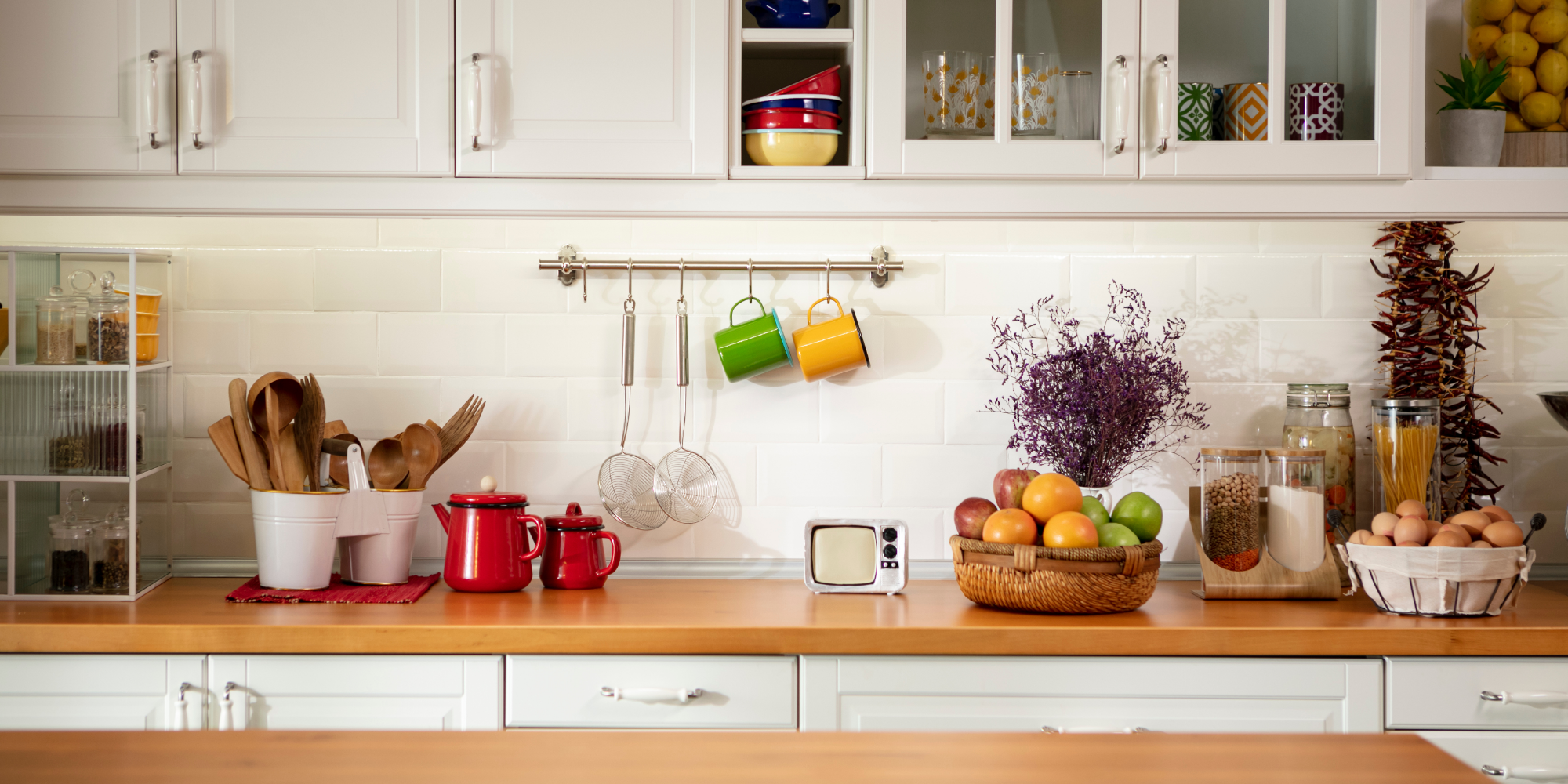
Walk into almost any kitchen and you’ll find plastic everywhere – from food packaging and storage bags to utensils, coffee pods, and takeout containers. While these items are convenient, they come with hidden costs to both our health and the environment. Globally, nearly 50% of all plastic produced each year is designed for single use, meaning it is used briefly and then discarded, often ending up in landfills, waterways, or oceans. Food and beverage packaging alone accounts for a significant share of this waste, making the kitchen one of the most important places to start reducing plastic at home.
The impact goes beyond waste. Scientists are increasingly finding microplastics (tiny fragments created as plastics break down) in our food, drinking water, and even inside the human body. Studies estimate people may ingest at least 50,000 plastic particles each year, with growing evidence linking exposure to inflammation and hormone disruption. Plastics also leach endocrine-disrupting chemicals like BPA and phthalates into food, potentially interfering with the body’s natural hormones and contributing to long-term developmental and reproductive health concerns. But plastic pollution doesn’t just impact humans, it affects more than 600 marine species worldwide, demonstrating how everyday household choices connect directly to global environmental health.
The good news? Meaningful change doesn’t require a perfectly plastic-free lifestyle. By focusing first on reducing single-use plastics, the items used briefly but discarded daily, small, practical swaps in your kitchen can significantly lower waste, reduce chemical exposure, and support a healthier community. Once you’ve tackled the single-use items, consider “leveling up”: Replace reusable plastics with the greatest health impact that experience heat, friction, or long food contact.
In this guide, we’ve organized recommendations by kitchen “zones,” reflecting how we actually cook, store, and eat at home. Think of this as a practical roadmap to UnPlastic your kitchen step-by-step, starting with the changes that matter most for both your health and our environment.
Kitchen Zones to UnPlastic
Each zone below includes why the change matters for health and the environment, followed by practical swaps you can adopt right away.
Food Shopping Zone: Reduce Plastic Before It Enters Your Kitchen
How food is packaged influences both how much plastic enters our waste stream and how much contact plastic has with the food we eat. Many impactful changes require little additional cost or effort but significantly reduce plastic exposure and waste (Source: P-SNAP Guide).
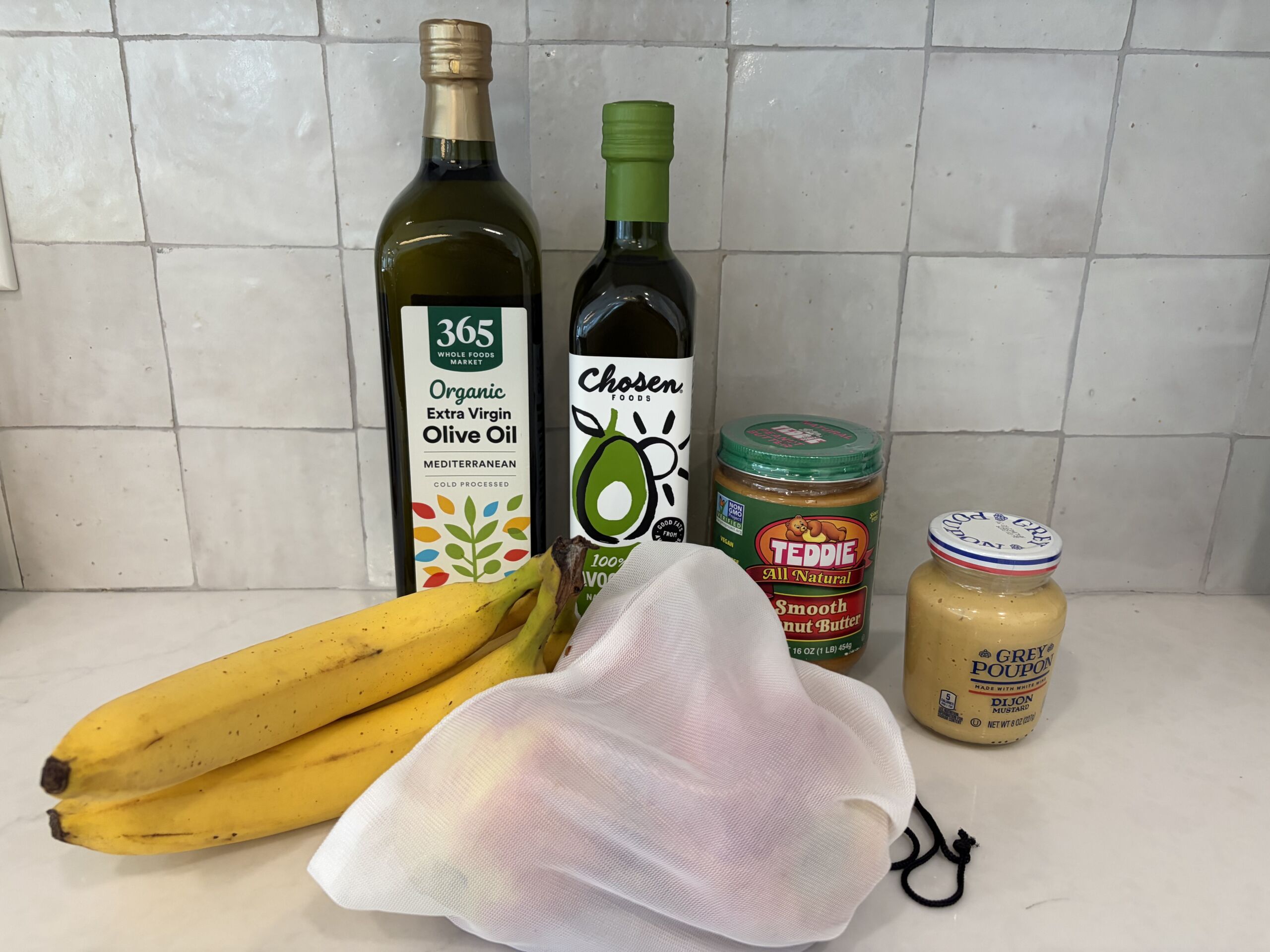
Shopping habits that reduce plastic:
- Select loose fruits and vegetables instead of plastic-wrapped produce
- Buy bulk items using your own containers when possible
- Choose minimal-packaging or plastic-free brands
- Use cloth produce bags instead of the plastic bags available at the stor
- Purchase products packaged in glass containers rather than plastic, especially oils, condiments, yogurts and beverages.
Swap these items that have more plastic incorporated into their production:
- Opt for dry uncooked rice over instant rice and rinse before cooking
- Choose raw poultry or steak over heavily processed or breaded options
Food Storage Zone: Plastic-Free Storage for Freshness & Health
Even when food isn’t heated, plastic containers can slowly shed microplastics and allow chemical additives to migrate into food over time, especially with repeated use or long storage periods. Choosing glass, stainless steel, or ceramic containers, even for dry goods, helps reduce everyday plastic exposure while improving durability and freshness.
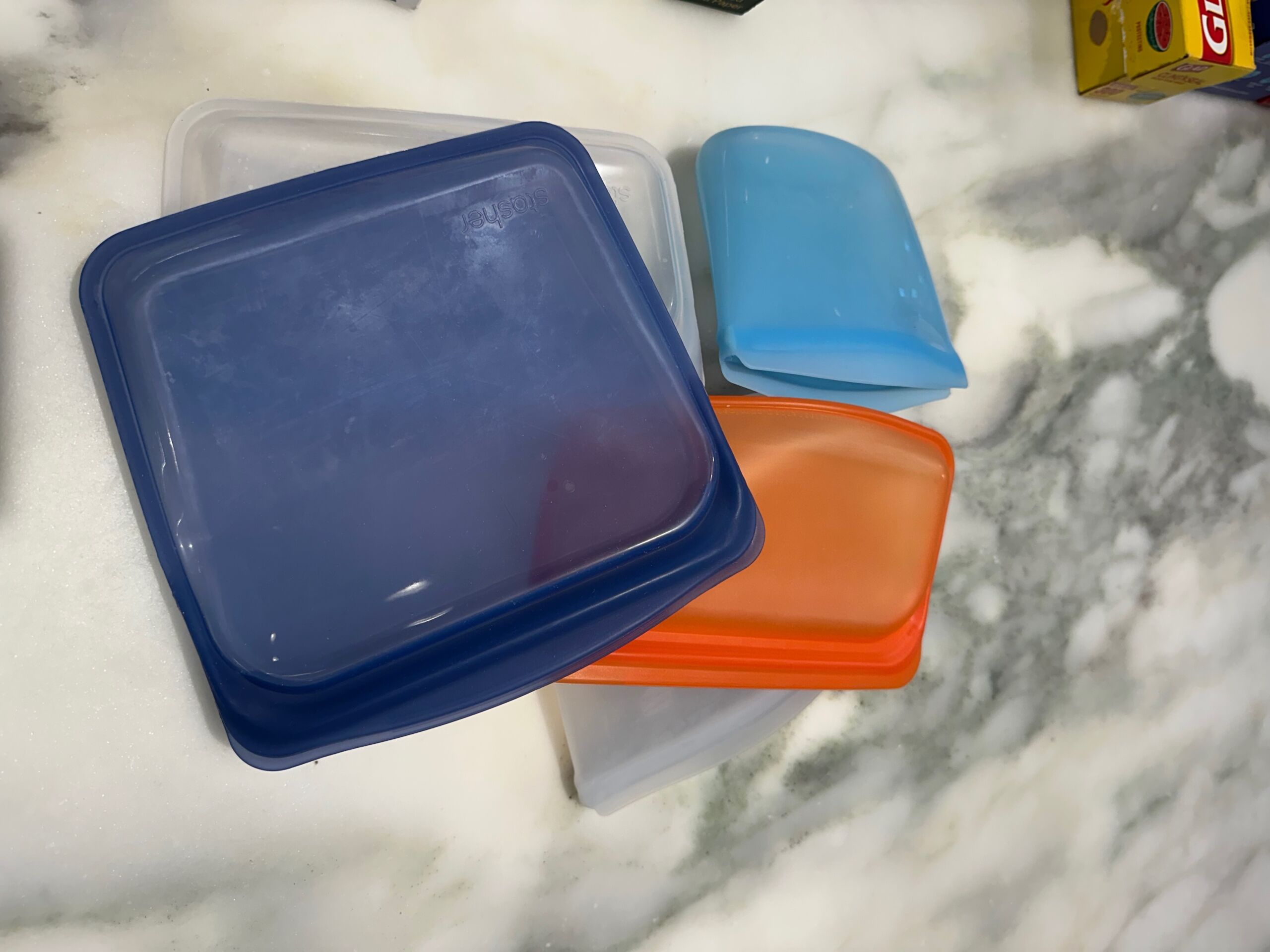
Simple storage swaps:
- Swap plastic wrap for beeswax wraps and silicone covers. A reusable alternative for covering bowls and wrapping food that reduces single-use plastic. We like this malleable option and this roll-style version you can cut to size, as well as stretchy, silicone covers like these.
- Choose glass or stainless steel storage containers. Durable, non-plastic containers help limit chemical exposure and last for years.
- Replace plastic baggies with reusable silicone bags. Washable and long-lasting for snacks, leftovers, and freezer storage. These Stasher bags are a long-time favorite.
- Eliminate single-use zip-top bags where possible. One of the most common sources of kitchen plastic waste can often be replaced with reusable alternatives.
Reheating & Coffee Station: Reduce Heat Exposure to Plastics
Heating and even long-term freezing food in plastic containers can cause microplastics and chemical additives like BPA and phthalates to migrate into food. Research shows microwave heating releases especially high levels of plastic particles, prompting experts to recommend glass, ceramic, or stainless steel alternatives for safer reheating and everyday use (ACS Publications, June 21, 2023).

Practical swaps:
- Switch to reusable coffee brewing methods. Replace single-use coffee pods with a reusable Keurig insert or a pour-over system (like this one with a reusable filter) to reduce plastic waste and avoid heating water through disposable plastic capsules.
- Choose stainless steel or ceramic mugs. Swap disposable or plastic-lined cups for insulated stainless steel travel mugs or ceramic options. Everyone has a favorite mug. We like this eco-friendly option that comes in unique colors.
- Reheat food in glass or ceramic, not plastic. Use glass storage containers or ceramic dishes for safer reheating. This may be old news at this point, but it bears repeating.
Food Prep Zone: Safer Cooking Tools Without Plastic
Many everyday cooking tools are made from plastic that can wear down with chopping, scraping, washing and repeated heat exposure, contributing tiny plastic particles directly into food. Studies show that routine kitchen activities, especially cutting and stirring on plastic surfaces, can generate microplastics, making this an important area to prioritize durable materials like wood, bamboo, and stainless steel for safer food preparation. Try the alternatives below for each instead.
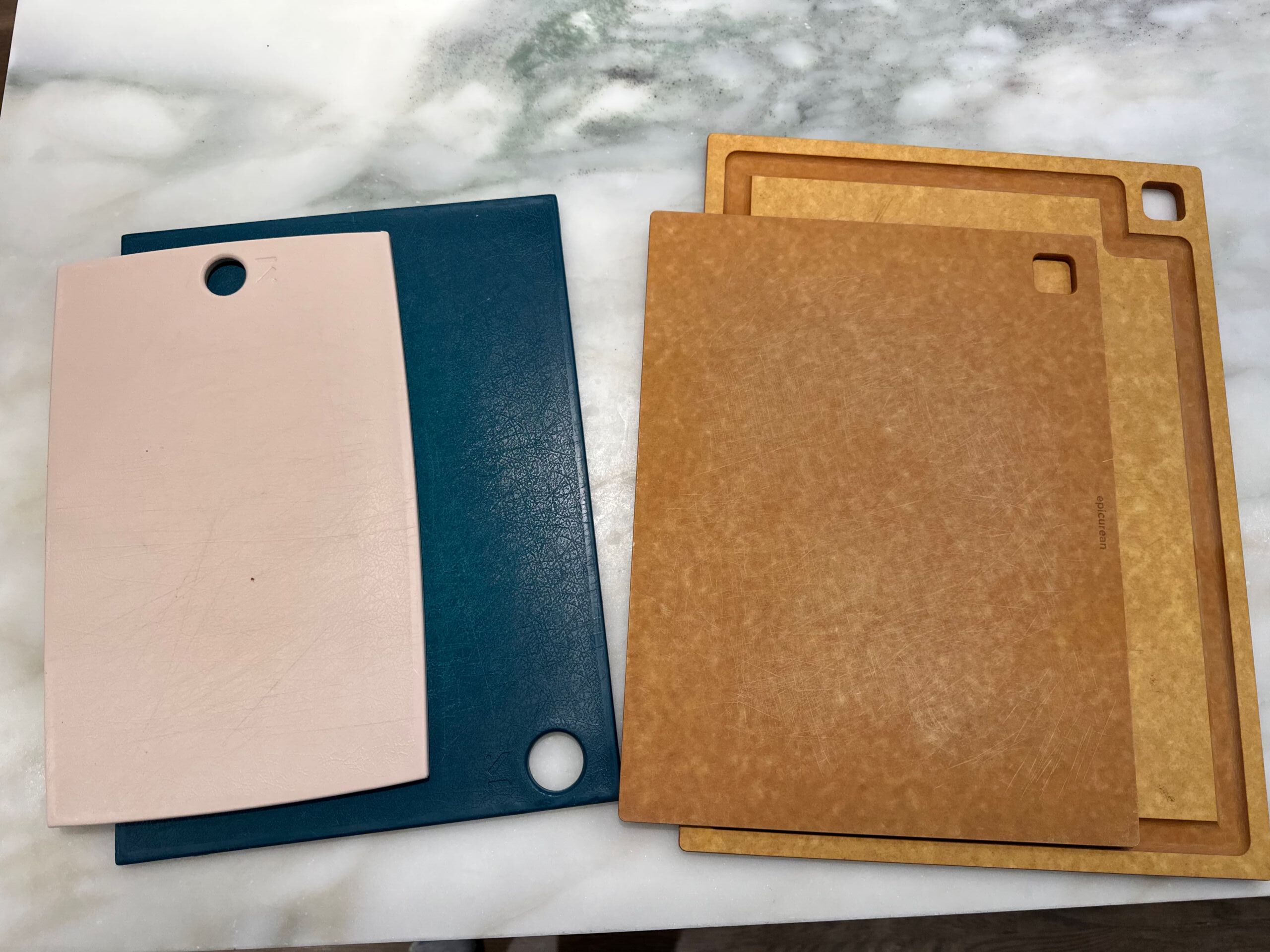
Cutting boards:
- The MK Free Board
- A butcher block like this one
- Nonslip bamboo cutting board like this one
Cooking Utensils:
- Wooden or bamboo spoons and spatulas
- Stainless steel ladles and turners
- Silicone utensils designed for high heat (food-grade and long-lasting)
Food Prep Tools & Accessories:
- Stainless steel mixing bowls
- Metal or ceramic measuring cups
- Stainless steel peelers and strainers
Eating & Entertaining Zones: Easy Swaps for Plastic-Free Gatherings
Single-use plastics often appear most during gatherings, takeout nights, or busy weekdays. These items are convenient but short-lived, making them some of the easiest and highest-impact swaps for reducing waste.
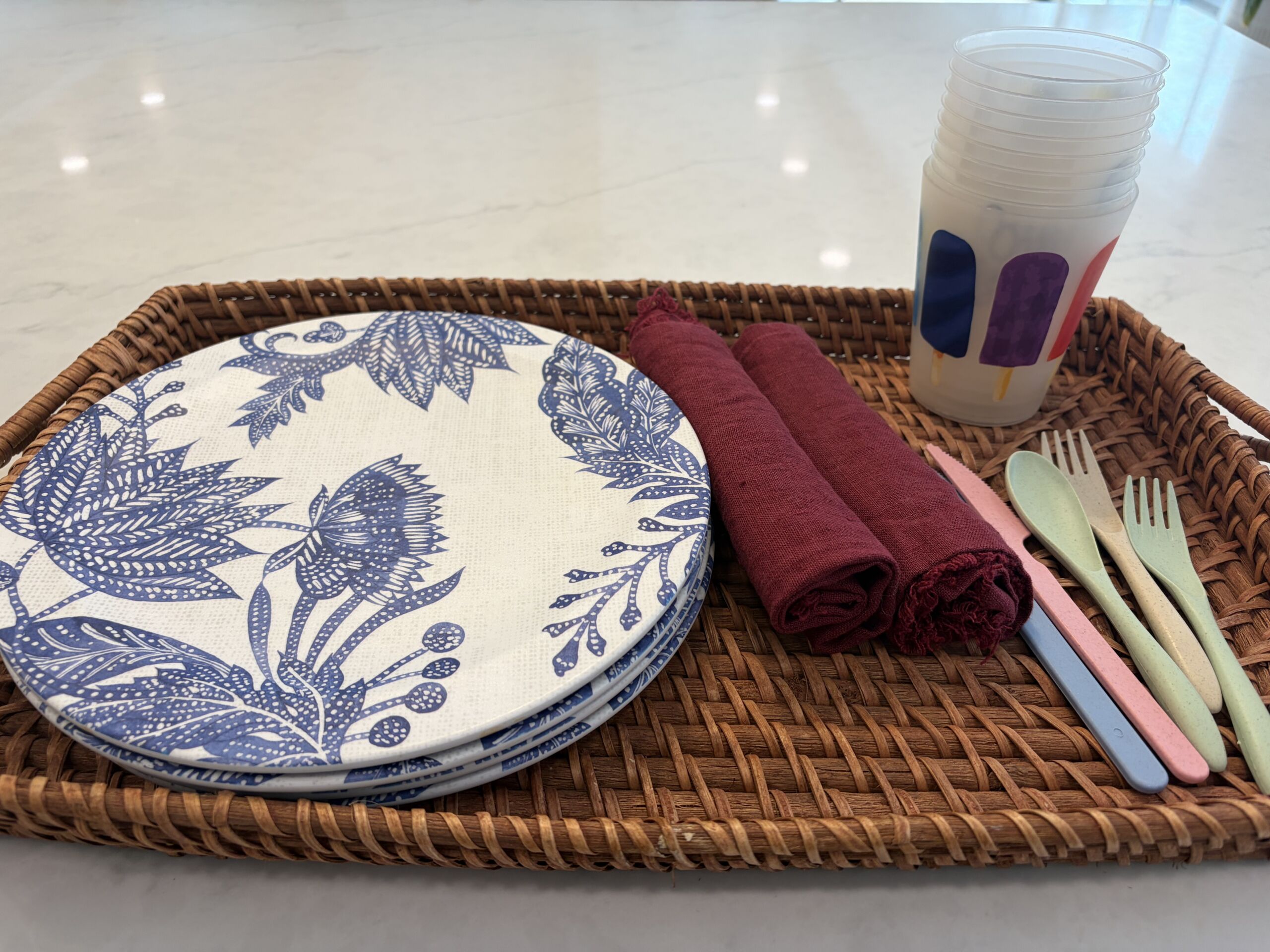
Easy entertaining swaps:
- Use bamboo or metal cutlery instead of disposable plastic utensils even when hosting
- Choose reusable plates, cups, and servingware whenever possible
- Replace paper or plastic-blend napkins with washable cloth napkins
- Keep a small set of reusable items ready for parties or picnics to avoid last-minute disposables
Start Your UnPlastic Journey Today
We want to hear from you! Was a swap harder than expected? Did you discover the perfect beeswax wrap that actually works and want to share the news?
Share your progress using #UnPlasticWestport on your social channels or submit your learnings here.
Ready to make it official and join other residents working to UnPlastic their lives one yogurt container at a time? Let us know.

Remember: start small, swap gradually, and celebrate progress. Every change moves us closer to healthier homes and a less plastic-dependent community.
As a reminder, we do not consider ourselves experts. The products shared here reflect personal experience and research, and are not sponsored or compensated recommendations. We are committed to making the switch one product at a time — reducing single-use plastic in our homes, our oceans, and our landfills. Even one swap can have an outsized impact for your family and for the planet.